Your basket is empty

‘Brotzmann barely plays saxophone at all, sticking mostly to tarogato and a host of clarinets; Nilssen-Love mostly plays gongs, bells and other metal percussion. With the changes in tools comes a change in approach. Nilssen-Love is sparer and more decorative, providing accentuating commentary that highlights the more solemn and yearning aspects of his partner’s playing, and Brotzmann explores melancholy to devastating effect. This is a career peak for the recently departed reedist’ (Bill Meyer, The Wire).
‘Phil Ranelin was a session trombonist for the likes of Steve Wonder before setting up the Tribe label with Wendell Harrison in Detroit… The title track is lusciously, greasily funky and stands in pretty stark contrast to the kind of airbrushed fusion that was in vogue at the time. Sounds From The Village is even better (and dirtier), showcasing Ranelin’s oily trombone gymnastics and a viciously fuzzed guitar solo… The obligatory Coltrane tribute He The One We All Knew is the kind of groove-based free-playing typical of Pharoah Sanders, though only really picks up when the band launch into post bop swing mode in the last six minutes or so… Beautiful stuff… Essential.’
Saxophonist Phillipe Maté has played with the Acting Trio, Jef Gilson and Butch Morris, amongst others; and that’s him on Jean-Claude Vannier’s brilliant L’Enfant Assassin Des Mouches. As the recording engineer of BYG, Daniel Vallancien worked alongside Anthony Braxton, Don Cherry and Sonny Sharrock; for Saravah he recorded Brigitte Fontaine and the Cohelmec Ensemble. From 1972, this free-form saxophone/electronics collaboration is another bonafide classic of the French musical underground, revived with characteristic panache by Souffle Continu.
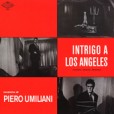
This soundtrack to Romano Ferrara’s 1964 spy movie is one of PU’s best and most celebrated. Featuring Nini Rosso, Chet Baker, Bill Gilmore, Marcello Boschi and many others. Excellent sound, from the original analogue masters, with lots of bonus material; in a beautiful sleeve, with a reproduction of the original movie poster on the inside gatefold.

Kit Downes is on organ. Hayden Chisholm contributes alto saxophone, shruti box, analogue synthesizer, and throat singing. The vocals are by PJEV, a female a cappella vocal quintet from Zagreb devoted to the traditional singing of Serbia, Croatia, Bosnia and Herzegovina.
‘This is a remarkable, stirring piece of work that works right into your bones’ (Dusted).
‘Your mind will be truly blown’ (Songlines).

Poor Isa — Ruben Machtelinckx and Frederik Leroux — playing woodblocks and prepared banjos; joined by Evan Parker, and Norwegian percussionist Ingar Zach.
Wonderful, moody, questing music, beautifully presented, in thick grey cardboard sleeves with foil stamping. Individually hand-numbered, in a first edition of just 150.
These are the last copies.
Strongly recommended.
The legendary AMM drummer recorded roundabout his home village of Matching Tye, Essex, in amongst the acoustics and significance of the village green and All Saints church in High Laver (where John Locke is buried).
‘At times it sounds like he’s sharpening blades on a grinding wheel, as keening tones slowly scythe through the air. Elsewhere, he appears to be dragging the side of a cymbal against a bass drum skin, producing low groans that complement the glistening high end… In Air, Oak, Metal, Hair, Prevost’s cymbals whistle and shimmer as they catch the breeze.
‘Other tracks nod towards Prevost’s jazz background. MaxPlus draws inspiration from a Max Roach hi-hat study… Rotology touches on a range of drumming traditions, from East Asia to West Africa’ (The Wire).
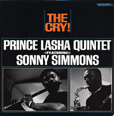
Congo Call, such a killer. With Sonny Simmons.
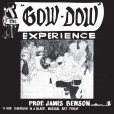
‘I was a music teacher. I wasn’t trying to make a record to compete, I was trying to make a record so the students would have something to remember the experience that we had… I was doing it for the kids.’
The reissue of a private pressing in 1973 by Prof James Benson and his students at Cal Poly, California, inspired by their recent trip to Africa, blending in the radical jazz idioms of early-seventies black America.
Insurgent music; full of life. Jazzman strikes again.
As originally, in a heavyweight tip-on sleeve.
Available for the first time since its original release in 1980, this is compelling, funky, exploratory jazz from Melbourne, Australia.
The album opens with the floating Song For Bobby, a downtempo gem with the heartbeat aura of Herbie Hancock’s Butterfly; Orchestral Excerpts (From The Symphony Of Life), In The Basement and City Of Stone are high-grade fusion jams with one eye on Weather Report and Return to Forever, the other on the organic Australian sound of Alan Lee and John Sangster. The album closes out with the completely improvised Universal Suite, a 17-minute excursion which begins with a cinematic opening reminiscent of electric Miles at his most introspective before taking flight on passages of hard-driving Latin percussion, shimmering fusion and gritty funk. Slick, cultured and in close dialogue with the most advanced sounds of the era, Pyramid documents one of Australia’s great fusion bands at the height of their powers.

‘Naqvi’s electronics, Smith’s trumpet and Cyrille’s percussion acquiesce with finesse in a perfect simpatico balance of accommodating and complimentary interplay. The trio balance bursts of energy with delicate stillness to create a feeling of meditation. Nuanced, textural, subtle yet devastatingly affective as well as sensitive and contemplative where appropriate, they also deliver bursts of incredible energy and impact; navigating a path between expressions of dismay and meditative healing resolutions – both a protest and paean for harmony.’
‘Killer!’, says Gilles Peterson.
‘Exquisitely constructed… They are not landscapes to be admired at a distance, but inscapes to be explored with attentive care’ (The Wire).
‘Solace for the soul’ (All That Jazz).
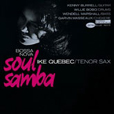
His swansong, in 1962, setting his warmly bluesy, swooping beseechments within the new jazz bossa sound. With Willie Bobo on drums. Kenny Burrell is superb.