
Your basket is empty

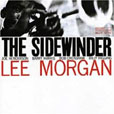
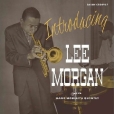
At the fountainhead of soul jazz and boogaloo, the stinging opener is an all-time, humungous, utterly irresistible jazz hit.
Joe Henderson and Barry Harris are superb throughout. Don’t miss Hocus-Pocus.
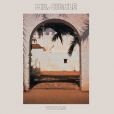
Originally released in 1981, Mr. Circle’s Thi Nam should really have been recognised decades ago as a jazz dance classic. A beautiful example of European jazz fusion at its most sophisticated and optimistic, the album is immersed in the sonics and rhythms of pan-Latin fusion and Brazilian samba, but with one foot in the upful jazz fusion exemplified by Roy Ayers or the Mighty Ryeders.
Taking inspiration from Ursula Dudziak, Flora Purim, and Norma Winstone, singer Monika Linges uses the crystalline tone of her voice as an instrument within the ensemble. The LP is built around the interaction of her vocalising with bandleader Mikesch van Grümmer’s keyboard versatility, all underpinned by the surging Brazilian rhythms laid down by drummer Gerd Breuer and percussionist Ponda O’Bryan.
The result is a unique set of sunlit, Brazilian-inspired jazz fusion. Aimed squarely at the feet throughout, the album kicks off with a double whammy: the funky title track, followed by. the percussion-rich Juntos. The long form Suka begins with a shimmering intro before taking flight halfway through into an urgent jazz samba with Linges’ vocals to the fore. Featuring the vocals of Bill Ramsay, Tides is another driving jazz-dancer with a Brazilian twist, while the summery, propulsive Schoch-Schach features virtuosic interplay between Linges and alto saxophone.

Beautiful, insurgent, fabulously danceable jazz music from South Africa, flowing out of the penny-whistle kwela bands of the 1950s. (Kwela means ‘get moving’, in Xhosa.)
Bra Gwigwi played alto and clarinet alongside Hugh Masekela and Kippie Moeketsi in The Jazz Dazzlers; also in The Jazz Maniacs and The Harlem Swingsters. He came to the UK from Johannesburg as an actor and clarinettist in King Kong — a musical about a Zulu boxer — which opened in London in February 1961.
Recording in January 1967, at Dennis Duerden’s Transcription Centre, he is joined here by Dudu Pukwana, Chris McGregor, Laurie Allan, and Ronnie Beer, all from The Blue Notes. Ladbroke Grove legend, and mainstay of our London Is The Place For Me series, Coleridge Goode plays double bass.
No less than sixteen shots of jubilant, jump-up mbaqanga. Check the Ethiopian vibe of Mra (which became core repertoire of The Brotherhood of Breath). Listen to Nyusamkhaya, and try to get it out of your head. Impossible.
Lovely notes by Steve Beresford, too.
‘The South African folk music that makes people glad to be alive!’
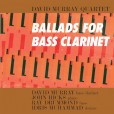
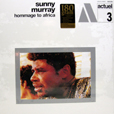
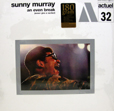
Leading a masterly lineup of John Hicks, Ray Drummond and Idris Muhammad in 1991.
A couple of waltzes, a blues, a Monk-ish suite-like piece, a free-ish drums and clarinet interlude, and finally an elegy for civil rights leader Fannie Lou Hamer.
Murray plumbs and soars: often it sounds like two different instruments are being played.
Superbly recorded, with gripping warmth and intimacy; originally released in Japan on CD only, by DIW.
Highly recommended.
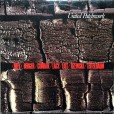
The Kabbalistic Dixieland of Frederic Rzewski, Alvin Curran and Richard Teitelbaum, joined here by saxophonist Steve Lacy, trombonist Garrett List and vibraphonist Karl Berger, recording for the legendary Italian label Horo in 1977. The MEV in all of its discordant, subversive, improvisatory glory.
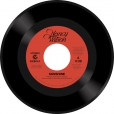
Knockout, anthemic rare groove, from the 1979 album Life, Love And Harmony. Ultra-jazzy, classy, and exultant, this is Nancy Wilson at her very best. She even throws in a quickfire Louis Armstrong impression. That’s John Klemmer playing saxophone.
Backed with The End of Our Love, a northern soul floor-filler from 1968, hard to come by.
Ace.
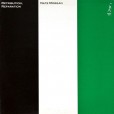
A core member of the circle around Horace Tapscott, pianist Nate Morgan was a key member of the Pan Afrikan People’s Arkestra, known as The Ark.
Here is the second of his two LPs for Nimbus West. His first, Journey Into Nigritia had been a declaration of arrival laced with energies drawn from Cecil Taylor and Coltrane. One year later, in 1984, with nods to Herbie Hancock (One Finger Snap) and Ellington (Come Sunday), Retribution, Reparation was a confident statement of purpose. Politically charged with pan-Africanist Black nationalism, and titled with uncompromising directness, the album focusses the soundworld of the Ark into a surging, restless masterpiece of spiritualised modal jazz.
Danny Cortez on trumpet and Jesse Sharps on saxophones comprise an explosive frontline. Fritz Wise and Ark regular Joel Ector hold down the rhythm section. Morgan’s forceful, Tyner-like chords and virtuosic solos bind the music together.
From the poised drama of the opening dedication to Tapscott’s U.G.M.A.A. organisation, through the propulsive militancy of the title track, Retribution, Reparation spreads the word: ‘Advance to Victory, Let Nigritia Be Free!’
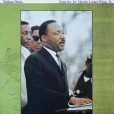
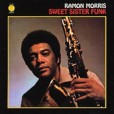
A moving, lovely, heartfelt tribute, seamlessly combining jazz-funk, soul, gospel, Black Jazz, bebop, Latin, spoken word and co, with palpably higher concerns than genre and market. Released in 1976 on his own imprint by the jazz veteran — sixties cohort of Eric Dolphy, Ray Charles, Donald Byrd and the rest — alongside the all-time classic If.