
Your basket is empty


Hotly recommended, utterly ravishing Cubanismo by the great Amara Toure from Guinée Conakry. All ten releases, 1973 and 1980, starting with three sublime 7” singles recorded in Cameroon with the Black & White group, and ending with the LP recorded in Gabon, when AT was with the Orchestre Massako.
‘Latin music, is it really foreign to us Africans? I don’t think so. Listen to the drums, to the rhythm. It all seems very close to us - it feels like it’s our own culture.’
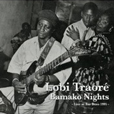
Scorching live recordings from a knockabout Bamako club in 1995, with Lobi putting his new flanger through its paces. Easing in with the soulful, hypnotic Ni Tugula; Sigui is down to business.
The Tenderness Trio was sisters Jussara and Jurema Silva, and their brother Robson.
From 1973, A Gira is dedicated to nature, spirituality and mindfulness, by way of a tribute to a Candomblé deity, with mesmerizing polyrhythms from the start, soaring vocals and beautiful playing. As the sisters put it — “It has the dancing, the expression, the lyrics and musical relaxation. Something very Brazilian.”
B/w a surprise version of Gato Barbieri’s Last Tango In Paris.
Ace.
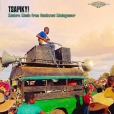
‘Wild ecstatic vocals, distorted electric guitars, rocket bass, and an amphetamine beat! Unlike anything else, this is THE high life music you’ve always wanted — ceremonial music played with abandon and extreme intent, honoring the living and dead alike.
‘In Toliara and its surrounding region, funerals, weddings, circumcisions and other rites of passage have been celebrated for decades in ceremonies called mandriampototse. During three and seven days, cigarettes, beer and toaky gasy (artisanal rum) are passed around while electric orchestras play on the same dirt floor as the dancing crowds and zebus. Locally and even nationally renowned bands play their own songs on makeshift instruments, blaring through patched-up amps and horn speakers hung in tamarind trees, projecting the music kilometers away. Lead guitarists and female lead singers are the central figures of tsapiky.
‘What results during these ceremonies is unclassifiable music of astonishing intensity and creativity, played by artists carving out their own path, indifferent to the standards of any other music industry: Malagasy, African or global.’

Singing, amongst ditlhaka reedpipes, and the lesiba mouth bow.


Originally organized by ex-slaves fleeing the Haitian Revolution, only two Tumba Francesa survive in Cuba nowadays, combining African drums and French patois.
Utterly beautiful contemporary recordings.
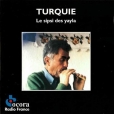
Ceremonial music from villages in south-west Turkey, featuring a range of saz lutes, violin, and sipsi (a small oboe).
A liturgy and feast headquartered in the mountains of Antalya, with semah sacred dancing and sung poetry accompanied on the saz lute. Six instrumentalists, two vocal lineups here: from 2004 and 2011.
Two heart-breaking songs and a clutch of rug-cutters from the Taurus mountains in southern Turkey. With accompaniment by Hayri Dev on the uçtelli, or lute. Terrific.