

Your basket is empty


Thirty-five stingers from an HMV run of more than four hundred 78s, recordings made in Uganda and Kenya from the mid-1930s till the mid-1950s.
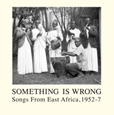
The second half of the CD.
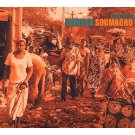
Fine Malian blues, with contributions from Ali Farka Toure.
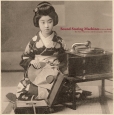
A miraculous bouquet of gagaku, shakuhachi, shamisen, storytelling, folksong and more, including the first commercial recordings in Asia.
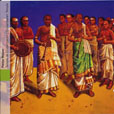
Ritual music from Tamil country performed by nagasvaram oboes, tavil drums, talam castanets, and droning harmonium, or sruti petti (without a keyboard, powered by bellows).
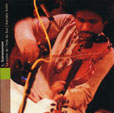
Deeply moving violin-playing, unfolding and illuminating the emotional twists and turns of a single, hour-long raga.
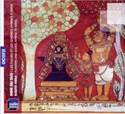
Based on the raga and pan, these short hymns to Shiva, performed by the oduvar cantors, are sung at daily rituals and for calendar feasts in temples of Tamil Nadu.
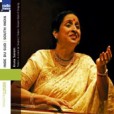
Ragas with intensely controlled and expressive singing from South India, in the uncommon, neglected Carnatic tradition.
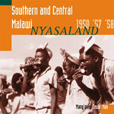
The bangwe board zither, gourd kazoo big bands, tuned likhuba drum ensembles, virtuoso xylophone, a capella singing.
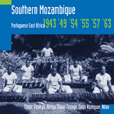
Sena and Ndau mbiras; Shangaan singing, drumming and xylophones; Chopi reedpipes and timbila xylophone orchestras, little girls playing ocarinas; Gitonga drums and singing horns.

The kind of expert, dancefloor-attuned compilation we take for granted from this label; with a generous fanzine-style booklet, stuffed with snaps and interviews. That opening track, though, is one step beyond… Bim!
LP back at last.

Startlingly fresh and unusual, these timeless, traditional peasant songs from north-west Spain — mostly with percussion accompaniment, sometimes with flute, bagpipe, oboe or rebec.
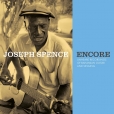
Wonderful, previously-unheard recordings by the legendary Bahamian guitarist, at his peak in 1965, made at his only New York concert, at home in Nassau, and in a Manhattan apartment. Gripping, one-off playing, continuously stepping out of line, or surprising you with accents, like Monk; rough, enraptured singing in the age-old tradition of local sponge fishermen, with startling irruptions of humming, babble and scat.
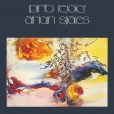
‘At a distance of more than forty years, the radicalism and significance of African Spaces can be seen more clearly. Ambitious, uncompromising, and resolutely progressive, it represents a unique high-water mark in South Africa’s long musical engagement with the newest developments in American jazz — a response to the cosmic call of Return To Forever, and an answer to Miles’ On The Corner… a complex and challenging jazz fusion that shifted the terms of South Africa’s engagement with jazz towards new music being made by pioneers such as Chick Corea, Weather Report, John McLaughlin, Pat Metheny and others.
‘This debut recording is one of the key documents in the South African jazz canon. Emerging in the aftermath of the 1976 Soweto uprising, and taking its place alongside the crucial mid-1970s music of Malombo, Abdullah Ibrahim, and Batsumi, it is a defining but unsung musical statement of its era.’
‘A wicked sense of pacing, of beauty and absurdity, and an instinctive ear for musical action’ (The New York Times). ‘There’s no theme or continuity… unless you count sheer awesomeness’ (Fader).

Cooking James Brown Congotronics style, featuring the brilliant teenager Roger Landu on his home-made one-off one-string satonge lute. (Check Youtube.) Championed by Massive Attack, amongst others.
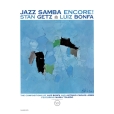
‘Recorded in February and March of 1963, reuniting Stan Getz with Brazilian musicians Luiz Bonfá and Maria Toledo for a lyrically focused follow-up to the landmark Jazz Samba of 1962.
‘Rather than reprising the earlier landmark album’s airy, guitar-driven bossa nova formula, Encore offers a more intimate, reflective setting shaped by Bonfá’s darker harmonic language and Toledo’s distinctive vocal and percussive presence. Getz’s tenor saxophone — warm, unhurried, and effortlessly melodic — threads through this atmosphere with a depth characteristic of his early-1960s work.
‘The program blends Bonfá’s original compositions with pieces by Antônio Carlos Jobim, including Só Danço Samba and Insensatez, highlighting the evolving transnational dialogue between Brazilian songcraft and American jazz phrasing. Bonfá’s nylon-string guitar provides the album’s tonal anchor, its rhythmic clarity and harmonic subtlety opening space for Getz’s lyrical phrasing. Toledo contributes both vocals and percussion, lending the session a textural and emotional range distinct from other Getz bossa nova collaborations.
‘The result is a quieter, more introspective album than its predecessor — one that underscores Getz’s ability to adapt his voice to a variety of Brazilian idioms without dominating them. Jobim appears on several tracks, further grounding the session in the core creators of the bossa nova repertoire.’