

Your basket is empty

Tearaway soca from the studio of Darryl Braxton, mixing it up with ragga and rave vibes.
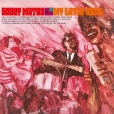
The Latin Jazz classic from 1969, huge on the Dingwalls scene back in the day for the sizzling dancer Tema De Alma Latina.
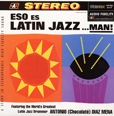
Chocolate Mena leading three lineups — featuring Joe Henderson, Jerome Richardson, Alfredo Armenteros, and co — through Lalo Schifrin and Duke Pearson arrangements of core Latin and Jazz classics.
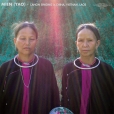
Rawly ethereal, other-worldly singing by members of hill tribes in China, Vietnam, and Laos.
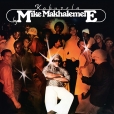
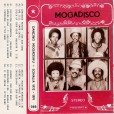
Calling all Disco Freaks!
‘The great South African tenorist Mike Makhamalele was a graduate of the key early-seventies group The Drive (alongside Bheki Mseleku and Kaya Mahlangu); and a mainstay of the scene centred on the Pelican nightclub in Soweto. From 1975, he began to record under his own name, developing a sophisticated fusion sound in a musical lane which few of his contemporaries were travelling.
‘Always attuned to other global fashions in Black dance and pop music, under numerous studio aliases he cut 45rpm covers of Fela’s Shakara and the Sugar Hill Gang’s Rapper’s Delight; and in 1979 he entered the Gallo studios with producer Peter Ceronio to respond to the ascendant sound of disco. Named after a township dance craze, Kabuzela was the result: four extended tracks of bouncing, upful disco jazz. Perfectly calibrated for dancing, heavy on the bass and drums, the album is set off by a gleaming centre piece, Disco Freaks — a joyous paean to the weekend and true lost gem of global disco, perfect for the most discerning dancefloors.’
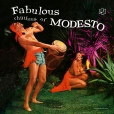
‘A disciple of mambo innovator Perez Prado, the Cuban-born Modesto Duran was a pivotal figure in Latin dance music’s transitionary mid-century period. His gentle slaps can be heard across dozens of 1950s mega-sellers, from Esquivel to Belafonte, Eartha Kitt to Lena Horne. On his 1960 solo debut, Duran gathers a who’s who of conga-men, including Mongo Santamaría, Willie Bobo, and Juan Cheda, delivering a cinematic and percussive melange of afro-cuban, cha cha, and exotic jazz styles.’
This is sensational; hotly recommended.
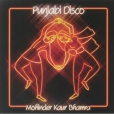
“The holy grail of British Asian music; the album that birthed the British Asian dancefloor.”
‘Recorded in London in 1982, the nine-track album combines producer Kuljit Bhamra’s searing synthesiser melodies and hammering drum machine rhythms with the Punjabi-language folk singing of his classically trained mother, Mohinder Kaur Bhamra. Part early acid house experiment, part north Indian tradition and part disco-funk, the record was a futuristic outlier: the south Asian fusion sounds of bhangra were only just beginning; the mainstream crossover music of the Asian underground was more than a decade away; and the British Asian diaspora were largely relegated to meeting at weddings and community events, rather than at the disco’ (The Guardian).
Stunning piano improvisations — mostly solo, though peppered with tombak, violin, and scraps of poetry — using his own tuning system, recorded for Iranian national radio between 1956-1965.

Beautiful, insurgent, fabulously danceable jazz music from South Africa, flowing out of the penny-whistle kwela bands of the 1950s. (Kwela means ‘get moving’, in Xhosa.)
Bra Gwigwi played alto and clarinet alongside Hugh Masekela and Kippie Moeketsi in The Jazz Dazzlers; also in The Jazz Maniacs and The Harlem Swingsters. He came to the UK from Johannesburg as an actor and clarinettist in King Kong — a musical about a Zulu boxer — which opened in London in February 1961.
Recording in January 1967, at Dennis Duerden’s Transcription Centre, he is joined here by Dudu Pukwana, Chris McGregor, Laurie Allan, and Ronnie Beer, all from The Blue Notes. Ladbroke Grove legend, and mainstay of our London Is The Place For Me series, Coleridge Goode plays double bass.
No less than sixteen shots of jubilant, jump-up mbaqanga. Check the Ethiopian vibe of Mra (which became core repertoire of The Brotherhood of Breath). Listen to Nyusamkhaya, and try to get it out of your head. Impossible.
Lovely notes by Steve Beresford, too.
‘The South African folk music that makes people glad to be alive!’
This is fire. Ring the alarm.
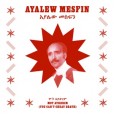
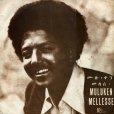
The opener is MM’s first recording, aged seventeen; a 45 on Amha Records. The remainder revives his 1976 LP for Kaifa, produced by Ali Abdella Kaifa aka Ali Tango, and featuring such mainstays of the scene as trumpeter Shimèlis Bèyènè, Dawit Yifru on keys, and the great Tilayé Gèbrè on saxophone and flute. In the teeth of the burgeoning Red Terror of the Derg junta, this LP was the swansong of Swinging Addis, and arguably its absolute masterpiece.
Intense, roiling Ethiopian afrobeat. Utterly killer; hotly recommended.
This is terrific.
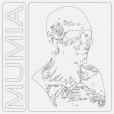
Brazilian post-punk, art rock and DIY from 1988, released here for the first time, by the duo Celso Alves and Kodiak Bachine (whose records with the band Agentss are desperately sought-after nowadays).
Dubwise and rhythmic, percussive and synthy, with tangy Brazilian roots, and a droll humour to its reflections on embalming, LSD and zombies, the music freewheels roughly and vividly from the truffling, chattering, tropical atmospherics of the opener, through to the machine-funk, Romeroesque terrors of the Greenhouse Massacres, to close.
Sung in Portuguese and English, studded with Spanish, French and German, the lyrics are reproduced on an insert. Pressed at Pallas.
Ace. Check it out.
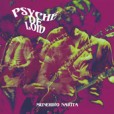
The king of acid-fuzz guitar presents a barbed bouquet of classic psych covers — The Stooges, Hendrix, Pink Floyd, MC5, Jefferson Airplane and co — with killer, piercing fuzz-wah guitar and bizarre software-generated vocals. ‘One of the finest acid-punk shredders to ever walk the planet, Munehiro Narita gives these time-honored psych rock classics a serious kick in the ass, in the most bizarre and Japanese of musical settings’ (Steve Krakow, Galactic Zoo). ‘Munehiro Narita (High Rise et al) bleeds all over a series of massively re-wired cover versions of classic psych while computer generated little girl vocals relocate the whole damn thing in another future altogether’ (David Keenan).