
Your basket is empty

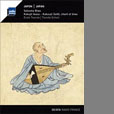
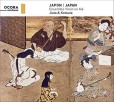
The medieval story of the Heike clan — combining drama and heroics with Buddhist reflection on the ephemerality of existence — sung by Kakujo Iwasa and Kakuryu Saito, with lute accompaniment.
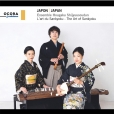
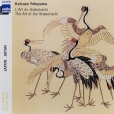
Exquisite music for shamisen lute, koto zither, and shakuhachi flute, running back more than a hundred years, to the end of the Edo era. Expertly performed by this accomplished trio of graduates of the Tokyo National Conservatory.
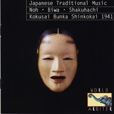
A magical, poignant selection from sixty 78s issued in 1942. Featuring Noh theatre musicians, many trained by artists active before the Meiji period, prior to 1868.
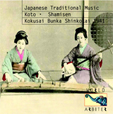
Imai Keisho playing koto and Yamase Shoin shamisen, amongst others. Historic recordings by Kokusai Bunka Shinkokai. Excellent label.
Sublimely refined songs about broken hearts, dazzling landscapes and lost kingdoms, with zither and flute accompaniment.
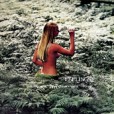
The legendary Library album by Sandro Brugnolini and Stefano Torossi, undercover in 1975 for contractual reasons.
Bad-ass headz vibes — madly sampledelic, super-funky, jazzy and widescreen — with the genies of Herbie, Barry White, Isaac Hayes and the Mizells, all in the mix.
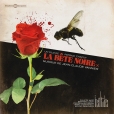
Two fabled, previously unreleased soundtracks — hallucinogenic orchestral music for Patrick Chaput, and a waltzing, rhythmic onslaught for Robert Benayoun — complete with an extensive booklet of essays, interviews, secrets and rare images from both films.
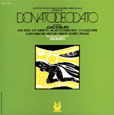
Their legendary 1969 collaboration — featuring Whistle Stop, and Airto in full flight.
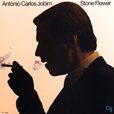
Testing bossa conventions, encouraged by ACJ’s move to Creed Taylor’s ambitious set-up, abetted by Deodato’s brilliant arrangements. From 1970, with Airto and Ron Carter; and some lovely electric piano.
Half price.
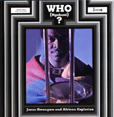
A funky afro-rock classic, his 1969 debut for Ahmad Jamal’s label by this future director of Amandla (the cultural ensemble of the ANC).

Soulful, rootical early set from the great man, with rich, brilliant backing from percussionists Trio Mocoto.
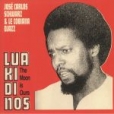
From seventies Guinea-Bissau, a captivating, poignant blend of anti-colonial militancy and the knot of homesickness, regret, loss and melancholy at the heart of saudade. Sung in Guinean Kriol, and reviving traditional musical genres like Gumbé, lavished with jazz, Latin, funk and general dancefloor nous, José & Cobiana Djazz went down a storm nationally, hugely influencing local bands like Super Mama Djombo, and hailed by giants like Orchestra Baobab, Letta Mbulu and Miriam Makeba (with whom Zé Carlos recorded his only solo album).
Lua Ki Di Nos, The Moon Is Ours, is a mixture of thumping, blistering high-life, with burning horns and mesmerising guitar lines, for dancing, and sublime, swaying, moodily contemplative body-rockers. The mournful Na Kolonia, for example, is knockout. Locked up for his politics on Ilha das Galinhas, a few miles off the coast of Bissau, the singer wonders what has become of his friends. ‘Where is Sara? Back at the colony. Where is Saidu? Back at the colony. Uncle Malam, tell them not to cry, not to suffer. One day we’ll be back in Bissau, a day that is slow to arrive. Our brothers from Bissau, don’t forget about us. If you think that we’re dead, we haven’t died, we’re waiting here.’
Ace.