







Your basket is empty


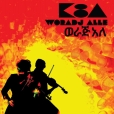
‘Since the 16th century, the Ecuadorian province of Esmeraldas has been home to a unique Afro-Indigenous culture originating in the integration of the Indigenous Chachi and Nigua peoples with African Maroon communities. Juyungo documents significant Esmeraldan artists and bands playing the Afro-Ecuadorian folklore of the province, as well as including some older field recordings. Based mostly on the marimba, whose origins lie partly in the African balafon, partly in Indigenous percussion instruments, the music is laced with call and response chants, ambient insect and bird noise, the filigree finger-styles of the Andean guitar tradition and the panpipes of the mountains. This is resonant insider roots music at its headiest — the mystic revelation of Esmeraldas, gully deep and lustral.’ Francis Gooding, The Wire.
The fifth in our series of LPs compiling classic music from Ecuador. Customary Honest Jons runnings: a beautiful gatefold sleeve; superior pressing, with vivid, intimate sound; full-size, sixteen-page booklet, in colour throughout, with detailed, fascinating, bi-lingual notes, and stunning photographs.
The music is transfixing, magical; not like anything else. From start to finish, this album is continuously, profoundly immersive; a kind of journeying, trippy meditation about slavery and cultural resistance, identity and mix, places and spaces, futures and pasts. It’s inscrutable to net-surfing, algorithms, Shuffle. But for a taste try the insurgent marimba roller Agua Largo, jet-propelled by Rosa Huila’s rapturous blend of African spiritualist and Christian chant. ‘Healing music,’ Zakia called it on Gilles Peterson’s BBC show recently. And the ravishing pasillo Kasilla Shungulla — ‘calm your heart’ in the Quichua language — a duet between the Peruvian master-guitarist Raúl García Zárate and viola da gamba by Juan Luis Restrepo from Medellin, recorded in a baroque church in Buzbanza, Colombia.

Deep, hypnotic high-life — fused with traditional Ahyewa rhythms — in six sections each side, recorded in 1975 at Ghana Films Studio for the Kumasi-based Ofo Bros label, by this legendary veteran of the Star De Republic and K. Gyasy bands.

The Nigerian percussionist together with US soul singer OC Tolbert, in 1982.
A grippingly odd couple of sides: Happiness is slow-burning gospel; Nwanne is terrific, stampeding Afro-disco, with popping bass, echoing shout-outs and drums on fire.

King Ayisoba is a star in Ghana. His kologo-playing is both melodic and percussive. With his producer Panji Anoff he changed the Accra music scene by using traditional instruments together with the beats, bleeps and bass drawn from hip-hop and dancehall by the local, mid-90s ‘hip life’ scene.
‘King Ayisoba’s Modern Ghanaians is the fastest selling cassette by an artist from the northern part of Ghana. The album’s popularity started in Bolgatanga where the artist is from, but has spread through the other regions like harmattann bushfire’ (Ghana Gazette, 2007).

The Celtic harpist leading a dozen friends — guitar, piano, violins, flutes, zarb, zither — in spell-binding departures from Breton folk-song, originally released in 1976 but fresh and strange as a vermillion hydrangea in full bloom.
Noguès was to collaborate with Rabih Abou-Khalil, amongst others, but ‘we are reminded here of the Meredith Monk of Greensleeves, there the early albums of Brigitte Fontaine / Areski, elsewhere Emmanuelle Parrenin, Pascal Comelade… Noguès’ poetry is ever-changing: airy (Hunvre), cosmopolitan (Pinvidik Eo Va C’hemener), enigmatic (Ar Bugel Koar), profound (Ar Gemenerez), enchanting (Hirness An Devezhiou). And then there is Marc’h Gouez itself, between nursery rhyme and chamber music, weaving a fabulous, transfixing web. “Brittany equals poetry,” said André… Breton; and Kristen Noguès proves it to be true.’
Lovely stuff; dream-like, captivating; quite different. Check it out.

‘Welcome to the Kalakuta Republic — havin’ a ball.’ Buy this for the wonderful JJD, 23 minutes live and direct, with all the cogs of the Africa 70 band well-oiled and whirring together.