




Your basket is empty

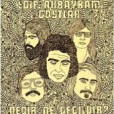
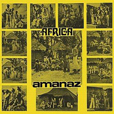
Oppositional Anatolian psych from 1977, drafting in members of Moğollar and Bariş Manço’s Kurtalan Ekspres. Pop-up gatefold sleeve, as originally.
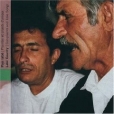
The three main genres of Labë polyphony, all aiming for maximum emotional impact: vaj, lamenting life’s dramas; dashuri, love songs; historical epics.
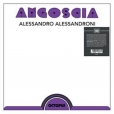
AA is the close collaborator of Ennio Morricone. He’s worked with Bruno Nicolai, Nino Rota, Franco Micalizzi, Francesco De Masi… He says he wrote the Muppet Song (and that Piero Umiliani nicked his royalties). He whistled for Fellini.
Originally released by Octopus in 1975, Angoscia catches him at his creative peak.
Twelve enactments of mental distress. Anguish, dismay, desperation, uncertainty, pride, resignation, frustration, desolation, agony, prostration, obsession and — finally — fear.
Arnold Schoenberg’s in the house.
A barrel of laughs, then; warmly recommended.
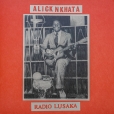
A beguiling, one-of-a-kind blend of country, township jazz, and pop, from the heart of Zambia’s freedom movement, by ‘the first African voice on the radio for many Central Africans and the first kind of pop star for many Central Africans.’
Vocalist, guitarist, and bandleader Alick Nkhata moved effortlessly between lonesome country slide, big band pop, and air-tight vocal harmonies, all with roots in Bemba and other African traditional songs and rhythms. It’s a dizzying, inclusive, expansive blend from an artist and music archivist who became the voice of his nation’s fight for freedom. The lyrics and music represent the times — lonesome country laments like Nafwaya Fwaya and Fosta Kayi drift along the railways to urban centers and copper mines. Nalikwebele Sonka (I Told You Sonka) pairs honey-soaked yodels with a warning about the downward spiral of unemployment in townships, while Mayo Na Bwalya (Mother of Bwalya) is a mother’s plea to a traditional songbird for guidance of her wayward son. Songs like Shalapo, Kalindawalo Na Mfumwa, and his biggest hit, Imbote, infuse piano, big band horns, and even early electronic instruments into stunning syncretic pop masterpieces.’
‘It’s great that Zamrock is so well known for its incredible story and music, but that intense focus has a way of flattening the diversity of Zambian music and its history. So maybe we can’t necessarily say that Alick Nkhata led to Zamrock, but that rich history of mixing influences and creating new sounds in the copper belt started with Alick in lots of ways. All of that stuff is what people appreciate about Zamrock — that it was mixing sounds and that it was political in its own way. There’s a long history of that approach in the region, and it starts with Alick.’

Carl Craig back on Honest Jon’s, in devastating form: nervy and urgent, epic and apocalyptic, kicking and funky. Lagos re-tooled in Detroit.

Paradigmatic yet forward-looking township jazz from 1975.
Braiding Wes Montgomery into marabi, the legendary guitarist leads a stellar line-up of musicians including Kippie Moeketsi, Barney Rachabane, Gilbert Matthews, Dennis Mpale, and Sipho Gumede.
The opener glances sideways at the commercial success of Abdullah Ibrahim’s recent Mannenberg — but the real magic follows on, when the players cut loose in their own, new directions.
This is the first vinyl reissue. Sleevenotes by Kwanele Sosibo feature interviews with key musicians, and previously unpublished photos.

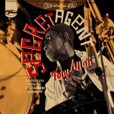
Tony Allen / Moritz von Oswald / Wareika Hill Sounds
Ole Remix / Reggae Land Dub
Honest Jon's Records
Deep Berlin steppers. Dubwise traces of our original Lagos recording — the percussion of Yinka Ogunye, the singing of fifties palmwine legend Rolling Dollar, Oscar Olimbi’s guitar lick — blend in with Moritz’ own warm Oberheim voicings, additional drumming, and cool-and-deadly rhythm track. It’s a tough, masterly dance record in fine Rhythm And Sound style (evoking vintage House, too) — which during its ten-and-a-half minutes seems to ponder time elapsed and journeys undertaken.
Reggae Land Dub is the thumping, pared-down dub of Wareika Hill Sounds’ rootical rework of Ise Nla. Magnificent trombone and percussion; expert, classical JA mixing. Brings to mind the versions of Black Man Stand Up Pan Foot.

‘CD Of The Week… the best soul album — in the real sense of the word — you’ll hear this year… classic, blistering afro-beat’, Daily Telegraph; ‘as tight as a pressure cooker… fierce and fun’, The Wire.

This mix by Mark Ernestus — one half of the Basic Channel, Maurizio and Rhythm And Sound teams — kicks off our series of reworkings of tracks from Tony Allen’s Lagos No Shaking album.

Like a dream, but authoritatively, this remix from Jamaica magnificently crosses the Afrobeat of Fela Kuti with the grounation reggae tradition of Count Ossie.
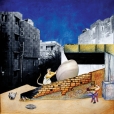
‘Oud-player with The Handover, Eissa was mentored by two legendary figures in Egyptian music: composer and multi-instrumentalist Abdo Dagher, and oud master Hazem Shahin. The music here is heavily rooted in both Egyptian classical music and a number of different folk music traditions, but it goes its own way, through expansive and intricate original compositions.
‘The epic title track, with Eissa playing oud exclusively, takes up two thirds of the album. It seamlessly transitions into heart-stopping recitation of the thirteenth century poet Baha´ al-din Zuhayr… serious, loving, tender and insistent, all at once. Visionary and virtuosic, but at the same time warm and close.
‘A future classic.’
Eight poetic songs attuned to the early 1970s chanson of Brigitte Fontaine, performed by Mauricio Amarante and Marine Debilly Cerisier.