


Your basket is empty


Stunning new music from Istanbul!
A twenty-four-minute wig-out you can dance to — wild baglama improvisation and mystical male-unison singing, atop the propulsive mass of a Berlin half-stepper, with turbulent detours into dub, radiophonics and psychedelia.
‘Kime Ne’ means ‘so what’, ‘what’s it got to do with you’. The song adapts verses from the seventeenth-century poet Kul Nesimi, wistfully invoking the Melami strain of Sufism as a touchstone of humility and tolerance, in dark times. ‘Insanlar’ means ‘humankind’... ‘The Human Beings’.
RV’s mixes are expert, taut and hard-grooving. 2 is the more agitated and dubwise.
Nearly an hour of music, on three sides; the fourth is etched with Katharina Immekus’ lovely artwork.
Knockout stuff, honestly.
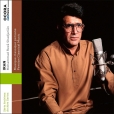
Searingly soulful, soaring performances by this bonafide master of Persion classical singing, including settings of the ravishingly sensual, tormented ghazals of Hafez, from the fourteenth century.
With accompaniment and interludes by an ensemble comprising santur, daf, tombak, rubab, kamantche, tar, setar, and flute.
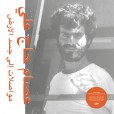
Recorded in exile in Paris, this is the eye-opening solo debut of the leader of the legendary Lebanese group Ferkat Al Ard.
In 1977 Issam was scratching together a living by busking on the Metro. He could afford just one day in the studio, with a pick-up band of musicians from France, Algeria, Iran — and a friend from Beirut called Roger Fahr, who had left Lebanon around the same time.
Back in Beirut by the end of the year, Issam added percussion and other touches. He made no more than one hundred cassettes, with his last, personal copy providing the master for this precious reissue.
In these genre-shattering settings of the Palestinian poet Samih El Kasemou you can hear the roots of Ferkat Al Ard — but “it’s more of just me,” avers Issam.
Melancholic, stripped, acoustic folk crossed with cosmic, funky jazz-fusion, with strong Brazilian influences. It’s packed with breaks, and haunted by the unique sound of the santour.
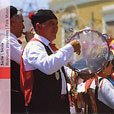
Work songs, music and songs about everyday life, or the calendar, or perhaps to run alongside ritual feasts, with guitar, mandolin, accordion, guimbarde, tambourine, bagpipe and reed flute.
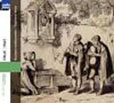
1950s recordings, mostly vocal, with wide range and variety — Alpine choral polyphony, poetic improvisation from Central Italy, funeral laments from the South, Sicilian songs to cure tarantula bites…

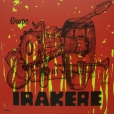
The genre-slaying, polyharmonic, polyrhythmic ‘universal music’ of Hermeto Pascoal and his bassist Itibere Zwarg, performed in 2001 by a workshop comprising twenty-nine of Rio de Janeiro’s most exceptional young musicians.
An overlooked masterpiece amongst recent Brazilian recordings: invigorating and marvellous; warmly recommended.

Casio and percussion nut-outs from Dar Es Salaam, Tanzania. Songs about the concrete jungle, infidelity and voodoo, Mchiriku-style.
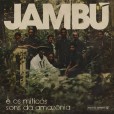
‘The city of Belém, in the Northern state of Para in Brazil, has long been a hotbed of culture and musical innovation. Enveloped by the mystical wonder of the Amazonian forest and overlooking the vastness of the Atlantic Ocean, its Amerindians, Europeans and Africans pioneered musical genres such as Carimbó, Samba-De-Cacete, Siriá, Bois-Bumbás and bambiá.
‘There was a radio station, a recording studio, a music label and a deep, cross-genre roster of artists. Beginning as simple gramophones connected to loudspeakers tied to lamp posts or trees, the aparelhagem sonora of Belém evolved into sophisticated setups, drawing thousands of revelers.
‘The music and tales found in Jambu are stories of resilience, triumph against all odds, and, most importantly, of a city at the edge of the Amazon which has always known how to throw a damn good party.’
‘The area’s best club music from the mid-‘70s, an exuberant, carnival-esque mishmash of local carimbó and siriá styles with big-band brass and frenetic Afro-Latino percussion. Best of all there are the three hip-swivelling cuts by Pinduca, founding father of lambada and king of Carimbó’ (Q).
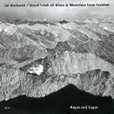
With Ustad Fateh Ali Khan singing; Ustad Shaukat Hussain, tabla; Ustad Nazim Ali Khan, sarangi; Deepika Thathaal, voice; Manu Katche, drums.
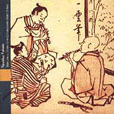
Six deeply spiritual pieces from the Kinko School, developed in eighteenth century Japan by wandering zen monks for whom this flute music was a pathway to enlightenment.
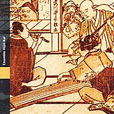
Subtle, calm classical trio music — for shakuhachi flute, koto zither and shamisen lute — influenced by Buddhism.
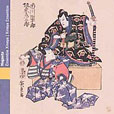
Musical accompaniments to kabuki theatre, by this pre-eminent Japanese chamber orchestra, with voice, shamisen lutes, fue flute, and kotsuzumi, otsuzumi and taiko drums.
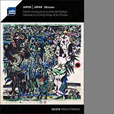
With accompaniment on the sanshin lute — a lovely, melodic blend of Japanese, Chinese and South East Asian styles characteristic of the Okinawa archipelago (formerly the independent kingdom of Ryukyu).