Your basket is empty

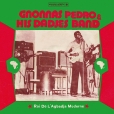
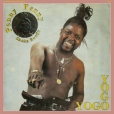
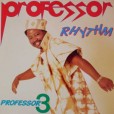
The full Analog Africa treatment at last for the star of their Legends of Benin compilation, back in 2009. A thrilling, utterly unique blend of Agbadja, Cuban fon, jerk, highlife, and other African rhythms, sung in Fon, Mina, Yoruba, French, English, and Spanish,
Warmly recommended.
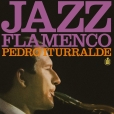
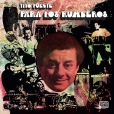
Sensational fusion of modal jazz and flamenco, with members of Tete Montoliu’s group, and the mighty Paco DeLucia, dazzling on electric guitar. Hotly recommended.
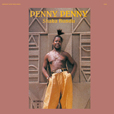
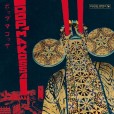
No-shame housey Tsonga-disco and hands-in-the-air rave banged out on Korgs and Ataris in 1994 South Africa. It sold tons, rocking stadiums from Liberia and Sierra Leone to Namibia and Mozambique.
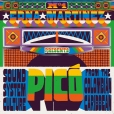
A compilation inspired by the fabulous sound-system, record-collecting culture of the northern cities of Cartagena and Barranquilla, where ricocheting champeta, highlife, soukous, mbaqanga, zouk, soca, and cumbia blare through stacks of hand-painted speakers, in street-corner, neighbourhood bailes.
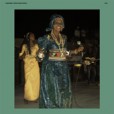
Lovely, hypnotic, rocking peulh music from Dilly commune, Mali, near the border with Mauritania (and the same family grouping as the celebrated singer Inna Baba Coulibaly). Duelling ngonis, calabash, flute, dashes of electric guitar; newly recorded.
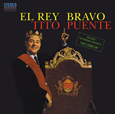
Classic big-band Puente from 1962, including the indomitable scorcher Oye Como Va.
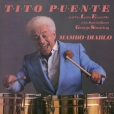
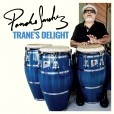
Thrilling, stylish Afro-Cuban jazz — heavy on horns and percussion — featuring interpretations of Lush Life, Take Five, and Lullaby of Birdland (with composer George Shearing sitting in).
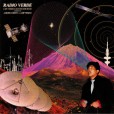
Jamming selection of route-one party-starters, 1979-1985.
Rollicking, cosmic good vibes.
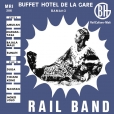
‘One of the greatest, heaviest, and most sought-after guitar records from 1970s West Africa.’
‘Bamako, Mali, 1973: Rail Band, the official orchestra of the Malian state railway, drops their self-titled LP. It’s a relentlessly soulful and hypnotic blend of American funk, jazz horns, and Afro-Cuban music, steeped in centuries-old Mandé tradition.
Led by legendary trumpet and saxman Tidiani Koné and held aloft by the intricate web of Djelimady Tounkara’s reverb-soaked guitar, the Rail Band’s sprawling compositions embody West African storytelling traditions while exulting in the technology and modernity of a newly independent Mali. Vocalists Salif Keita and Mory Kanté are endlessly emotive, oscillating between silky ballads and funk screams. The band’s sound is filled out by layers of percussion, rolling guitars, and melodic horns filtered through the Caribbean.
‘Starting in 1970, the Rail Band played five nights a week, from 2 pm til the early hours, at the Buffet Hotel de la Gare. Their audience was an international array of businessmen, young partiers, and people of the Bamako night. The band was incredibly versatile, switching genres, rhythms, and styles to meet their crowd. It was a volatile mix, which would fall apart soon after these recordings were made. Here it is, one of the greatest bands to ever exist, at the height of its creative powers.’
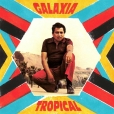
‘Fourteen tracks of irresistible psych-spiked cumbia and Link Wray guitar from the edge of the Peruvian jungle’ (Uncut).
‘Rambunctious Peruvian Cumbia Amazonica … The unpredictable and unrestrained sound that locals lovingly called ‘llullampeo’ can be heard in all its glory in Gitanita’ (Sounds And Colours).
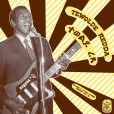
Drawn from his six monumental singles for the Philips, Amha and Yared labels between 1970-73, revolutionising traditional Eritrean music via the innovations of amplified kirar, electric guitar and horns. Thick, deep declarations and considerations of love over a mixture of sombre and joyous tunes (with the hand-clapped beat often shifting into double-time near the end).
Co-released with Mitmitta Musika in Addis Ababa; handsomely presented in a tip-on sleeve, with extensive liner notes, translations and exclusive photos.
Fab.