


Your basket is empty

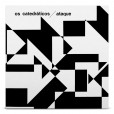
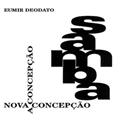
Eumir Deodato and his group Os Catedráticos.
‘The magical, hazy sound of sixties Rio, with monster samba grooves, scorching organ solos and big brass arrangements (featuring trombonist Edson Maciel); all buoyed by the hip rhythms of drummer Wilson Das Neves and Ruebens Bassini on percussion. Besides Deodato’s own, there are compositions by Marcos Valle, Baden Powell and Luiz Bonfa.’
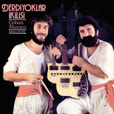
A ton of drunk people stomping about in a circle to the frenetic, overdubbed, distorted sound of electric saz, synthesized drums, cimbalom, and sheep sound effects: yep, Bengi Folk, Derdiyoklar-style.
A dreamily odd, Antillean blend of synths, flute and drum machines, featuring a children’s choir. Originally a tiny 1986 pressing in Guadeloupe, revived by the Diggers Digest crew.
Diplo / Newham Generals / Elewedu Of Agege
Fuji Ouija / Tetsuya's Theme / Dance / Thank You
Honest Jon's Records
A Lagos fuji session sets Diplo tearing up walls and stomping across the ceiling; a fragment of afro-folk percussion triggers the Generals’ brilliant futurism; and two sumptuous cuts of the original deal.
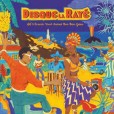
‘Diving deeper into the archives of one of the greatest French Caribbean labels, Disques Debs, based in Guadeloupe. Founded by the visionary Henri Debs in the late ‘50s, the label and studio operated for over 50 years, releasing more than 300 7” singles and 200 LPs, making it a cornerstone of Caribbean music history. The label bridged traditional genres like biguine and gwoka with contemporary styles like cadence, compas, and zouk. Volume 3 in this series spotlights one of the label’s most dynamic and influential periods as it expanded its global reach during the 1980s, highlighting both emerging talents and established artists who defined the era.’

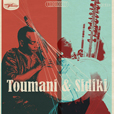
Shot between 2007 and 2012, Hisham Mayet’s film is an exhilarating, hallucinatory, harrowing record of music, ritual, life, and landscape along the Niger River, as it winds through Mali and the Republic of Niger.
Stark, moody, percussive amapiano.
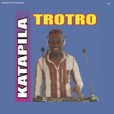
Utterly infectious, bubbling, spare, playful house music from Ghana, steeped in neo-traditional idioms like gome and kpanlogo, as much as vintage Chicago acid and UK rave, highlife and hiplife, soca and dancehall. (As well as Accra pop radio stars like Crystal Waters, Inner Life and Rick Astley.) Over bass-heavy, percussive rhythms, Trotro sings, chants and raps in Twi and Ga, often like no one is listening. It’s impossible not to answer back.
Terrific, refreshing stuff.

Mental baile future-funk.
Impossibly, round two ratchets through higher gears than round one. The cutting and scratching skills are brutally imperious, by turn eviscerating in split seconds a trembling flock of far-flung musical prey. Out of the wreckage looms the apotheosis of apocalyptic Techno Scratch terror; the ebulliently vengeful prophesy of forebears like Grand Wizzard Theodore and the Knights of the Turntable.
Blisteringly hot.

An invigorating sampling of the prodigious output of this joint in Matariya, Cairo. Mahragan, or electro-shaabi, stripped down Sardena-style: auto-tuned, maxed-out vocals, thumping beats, synths, wild effects.
Astounding, deeply exploratory, previously unreleased work by the legendary Brazilian percussionist and composer.
A wild and unsettling collage, implacably original and startlingly intense — from the electroacoustic opener, which channels ancestral African inspirations into cosmogony, through the proto-mixtape Exemplo de Sintetizadores, which transitions from transcendental drones to astral cha-cha-chas, to a musical consideration of dripping water, in Suite Contagotas.
Djalma is best known for his studio work on benchmark albums, including numerous classics by Caetano Veloso, Gilberto Gil, and Jorge Ben, and for his own polyrhythmic opus Baiafro; and the finale here was first performed at the 1964 Nós, Por Exemplo concert, an event often cited as the inauguration of the Tropicalia movement. Djalma brings the electronics — medical oscillators, for example — to beef up his percussion. It’s eye-opening.
Corrêa called it ‘spontaneous music’; sonic adventures ranging audaciously across an array of genres, from jazz to deep funk to complete abstraction, all imbued with his signature DIY ethic.
Drawn from the original master-tapes, guided by Corrêa himself, just prior to his death.
Intriguing, immersive music. Dazzling, engrossing artwork, too.
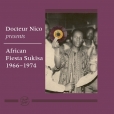
Docteur Nico & African Fiesta Sukisa
Docteur Nico Presents African Fiesta Sukisa 1966-1974
Planet Ilunga
A dazzling mixture of stone classics and gems buried deep in the Sukisa catalogue. Excellent booklet.
‘While exploring the Hawaiian guitar with its clear, airy, plangent, psychedelic effluvia, he continues to replicate the piano comping technique, and adds two missing strings to his bow: a simulation of the sanza (likembé or thumb piano), whose sounds he reproduces right down to the noisemakers of the tiny tin rings, on the one hand, and the sounds of the Luba balafon on the other… Docteur Nico is a genius of our time, whose style makes him the supreme exponent of the most important guitar school in Congolese music. He is recognized by his peers as the greatest African solo guitarist of all time.’