






Your basket is empty

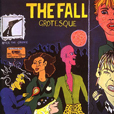
New Face In Hell… Pay Your Rates… Container Drivers… English Scheme… Gramme Friday…


Zarko Komar aka Feloneezy winging in from Belgrade — by way of Hyperdub — with an EP of hypnotic psychedelia.
Four characteristically intimate, steppers blends of jungle and juke, unfurling into intervals of dub and jazz; axis as nexus, threaded with field recordings, startlingly dotted with song.
Check it out.
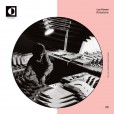
Previously unreleased music by the electroacoustic music pioneer, from 1973-1992.
Commercials, commissions and secrets.
Photophonie itself was made for a photographic exhibition by Alain Willaume. Il Etait Une Fois was commissioned by the GMEB; Trans-Voices by the American Center, Paris. Leica is by way of a jingle for the camera company.
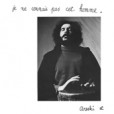
From 1973, the first of her recordings as a duo with Areski. ‘Deeply rooted in North African and European folk traditions… evocative vignettes with breezy vocals and minimal accompaniment of classical guitar, strings and woodwinds… One of their best-loved albums, for its remarkable sense of intimacy… beckoning listeners into a strange and beautiful world.’

Lost Treasures From The Vaults, 1959-69, Volume Three.

Four lost works by the electro-acoustic pioneer and GRM stalwart: Electrucs!, a synthesizer soundtrack to an imaginary film, from 1974; Foliphonie, a kind of postscript to his own La Grande Polyphonie, the same year; Cinq Dessins En Rosace, from 1973; and Marpège, dedicated to Bernard Parmegiani, from 1995.
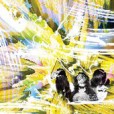
A rare sighting of Eye from The Boredoms, kicking up a rumpus with Japanese noise-rock duo Gagakirise.
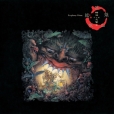
‘One of the most innovative and ambitious albums ever made; a sonic masterpiece featuring over two hundred musicians, which expanded the limits of music and sound, channeling Ōhashi’s thinking about mankind’s relationship with nature, and fundamental questions of life, death and rebirth… Pipe organ synths made from sampled Tibetan horns sit alongside field recordings from Central African forests, Buddhist mantras circle dummy head microphones, Javanese Jegog percussion ensembles pulse like verdant ecosystems, and the acoustics of temples, caves and landscapes are conveyed in the mix. Weaving together culture, nature and technology, it is a record that vibrates with the polyphony of life on Earth… But Ecophony Rinne was not only musically innovative. Noticing the difference between vinyl and CD versions of the album where digital reproduction limited the sound, Ōhashi developed a theory of Hypersonic Effect, determining that ultra-high frequencies above 20khz can impact human perception even if they are inaudible. At once a physical and a psychological experience, to listen to Ecophony Rinne is to feel music differently.’

Flexidisc.