



Your basket is empty

Excursions and meditations on an eighteenth century organ tuned to pure thirds, entailing a slightly harsh intonation exploited here to evoke the hostile climate of the Potenza valley during winter and autumn.
‘The sound of the organ with the register of the flute returns a particularly sweet and penetrating sound but, at the same time, a very complex timbre with intricate harmonic texture, given the numerous fluctuations and beats. The warm tones of the organ reflect the good and welcoming souls of the people who inhabit these lands. The absence of dynamics inside the instrument allows the listener to focus and understand the harmonic texture and timbral differences between the various notes more clearly.’
With trombone, trumpet, saxophone, and effects.
John Simon’s funny, entertaining chop-up of a mock MM debate, enacting subjectivities split and scattered, narratives disrupted, signification broken down… ‘Drop this jiggery-pokery and talk straight turkey.’
It says ‘Volume 1’ on the cover, and this debut is full of promise, but it’s a one-off, from Nigeria, 1973: African styles grooving together with Latin and Caribbean, US soul and funk, and psych rock.
Plaque is a young Bristol label which knows what’s what; always worth checking.
Tiny runs so look sharp.
‘Founder of KUMP and Meth.O tapes, Lyon’s Marc-Étienne Guibert (AKA Gil.Barte) awakens his new Mert Seger moniker for a shadowy Plaque excursion. Nine slow burners strike from the murk with venomous precision.’
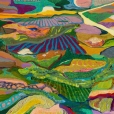
The eagerly awaited return of Bastian Epple to Marionette, for his debut album. Fifteen richly evocative vignettes conjured up with modular synth, tape-work, synthetic sounds, percussion, guitar: captivating, scene-setting catalysts of dreams, nostalgia, and other imaginary voyages; intimate, unpredictable, and alive; full of curiosity and wonder.
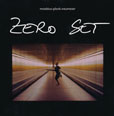
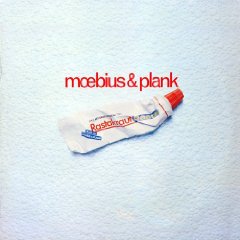
Dark, funky and grooving, inventive and flowing but punchy and sharply focussed. Moebius’ electronics, Neumeier’s drumming, Plank’s engineering: from the early eighties but fresh as anything.
40th Anniversary Edition: hand numbered, limited edition, white vinyl.

Two sick techno killers, stalking the perimeters of noise; and generous excerpts from a soundtrack to Dreyer’s Vampyr, with Sun Ra in its marrow, alternately driving and motorik, off-the-wall, lost in space.
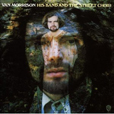
The CD is newly remastered, adding three out-takes and two alternate versions.

The CD is newly remastered — it sounds magnificent — adding two out-takes and two extended versions. (The ending of Slim Slow Slider is startling.) Surely a must at the price.
Rhino vinyl.