


Your basket is empty

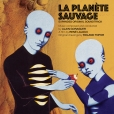
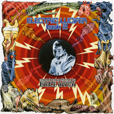
The 1973 soundtrack for René Laloux’s philosophical tale of anticipation, where men are used as domestic toys by blue giants, the Draags.
The orchestral expansiveness recalls Goraguer’s sixties projects with Serge Gainsbourg, but teleported to a psychedelic spaceway of its own, mapped out in a series of vignettes — moody, baroque, wasted, hypnotic, out-there — with funky wah-wah guitars, flutes, Fender Rhodes, breaks-n-beats drumming, and haunting effects.
Demonstrably beloved by Dilla, Madlib, Air, and co.
A new deluxe edition, mixed from the recently discovered multi-track tapes, including seven previously unreleased tracks and three alternate mixes.
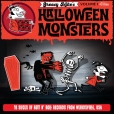
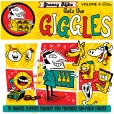
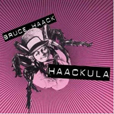
‘The first in a new series from Jazzman featuring the lowest of the lowball schlock n’ roll 45s never known to exist! No box untouched, no crate unrummaged, no pile unpilfered! Just the greasiest and grimiest, the most shocking and sordid 45s… like The Zombie Walk, Night Sweats, The Chiller, The Prowler, and Screaming Vampire! By combos like The Sadists, The Monstrosities, The Nightmares, The Gravestone Four… Putrid pieces of raucous rot n’ roll.’
Brilliant, dazed and skewiff electro-pop from Fact magazine’s label of the year. The Autre Ne Veut is pretty great, too.
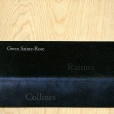
Two long, captivating soundscapes conjured by cello and Loop Station, inspired by the landscapes of Gaume and the Forêt de Soignes.
The disc is nestled in a wooden box, also containing multiple photographic inserts by Beata Szparagowska and the graphic designer Corentine Jaunard, as well as scraps of nature — feather, stone, leaf, moss — gathered by Gwen and friends. Click through for images.
Magical stuff.
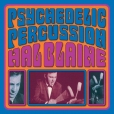
Blaine is amongst the most recorded studio drummers in history, contributing to more than 35,000 sessions and 6,000 singles, including 150 US top 10 hits, with 40 number ones, as well as numerous film and television soundtracks. He was a regular drummer for Phil Spector: that’s his unforgettable drumming on The Ronettes’ Be My Baby.
This is bonkers exotica, replete with drums, gong, xylophone, organ, bongos, congas and timpani (not to mention Emil Richards on vibes), chocka with breaks.
The first proper compilation of her singular, unguarded, teenage dream pop, from eighties upstate New York. A kind of correspondent of Kate Bush in both composition and performance, on synthesizer and acoustic guitar, and in her otherworldly singing over four octaves, about dreamers, outsiders and lovers.
Inspired by Guy Debord, the detournement of the 1990 album City: Works Of Fiction, assembled twenty-four years later by Hassell, from alternate takes, demos and studio jams, in the same spirit of hip-hop-inspired, dubwise future-funk.
First time on vinyl.
A September 1989 performance at the World Financial Center Winter Garden in New York City, with Brian Eno mixing live.
‘During this period Hassell was inspired by the increasingly innovative production techniques being used in hip-hop, in particular the hyper-collaged sampledelic barrage of the Bomb Squad’s work with Public Enemy, hearing it as a kind of extension of the tape splicing that Teo Macero brought to his work with Miles Davis. He began to incorporate more of this aesthetic into his own music, playing over loops of his own performances and riffing on angular juxtapositions of noise, rhythm and melody.’
First time on vinyl.