
Your basket is empty

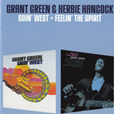
Featuring Grant Green, and engineered by Rudy van Gelder, in the manner of classic Blue Note organ jazz, this is an ‘underappreciated gem’, according to AllMusic. Leo Wright plays a blinder.
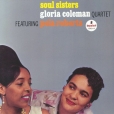
Here is a lovely photo of drummer Pola Roberts performing in the fifties. Nice name, the Pixie Bongo 4 Jewel’s.
Pola and Gloria had an all-women band together in the early sixties. George Coleman is Gloria’s old man.
‘Verve by Request’.
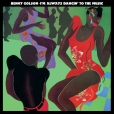
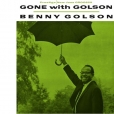
George Butler was head of A&R at Blue Note during the seventies. He co-produced Black Byrd with the Mizells; he signed Bobbi Humprey. When Blue Note closed in 1978, one of his first projects for Columbia was a disco-funk project with the legendary bebop saxophonist Benny Golson, on the cusp of his own comeback.
Golson was at high school with John Coltrane. He featured in a deadly late-fifties Jazz Messengers lineup; also Art Farmer’s Tentet. He wrote I Remember Clifford and Whisper Not.
It’s telling, how the jazz establishment has always despised this record. The title track was a humungous rare groove anthem, guaranteed to tear up a dance with its swinging, swaggering, musically-inspired upfulness, school of Walking In Rhythm and Music Is My Sanctuary.
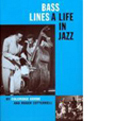
Highly recommended memoirs of the longtime Ladbroke Grove resident — sixty years — and Harriott associate, revealing his huge contribution to the British jazz scene.
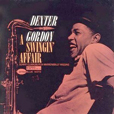
Kicks off with the rollicking samba Soy Califa; then a ravishing, bittersweet ballad.
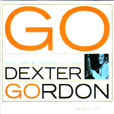
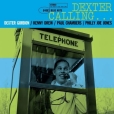
Key Dexter.
Recorded the same week as Go!, with the same crew, including Sonny Clark on top form throughout.
Don’t miss Don’t Explain.
In the Blue Note 80 Vinyl series.
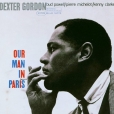
‘Classic Vinyl’ series.
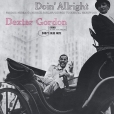
‘Classic Vinyl.’
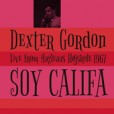
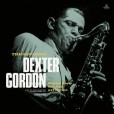
A performance for Danish TV, never released on vinyl until now, with Kenny Drew, Niels-Henning Ørsted Petersen and Albert Heath. The title track is storming Afro-Cuban jazz (from the unmissable Blue Note LP A Swingin’ Affair).
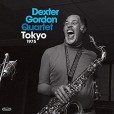
‘Dexter’s playing was often pure genius regardless of the circumstances, but when he had that magic combination of players behind him, everything was possible. This Tokyo appearance is the last known recording of the Drew-Ørsted Pedersen-Heath rhythm section’ (Michael Cuscuna).
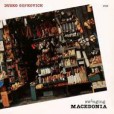
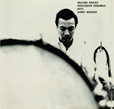
This is ace. A meeting of Balkan folk and jazz, from 1966, with Mal Waldron and Nathan Davis. Very warmly recommended.
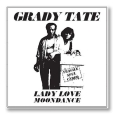
Terrific, propulsive, widescreen version of the Jon Lucien classic, flavoured with Curtis, featuring brilliant percussion by Montego Joe, alongside Ron Carter, Richard Tee, Ron Carter… Plus a Moondance excursion, on the flip.
One for the HJ pensioners massive.
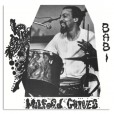
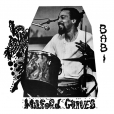
‘The long-awaited first reissue of one of the most legendary albums in the history of free music. Recorded live in concert in 1976, when Graves’ trio with saxophonists Arthur Doyle and Hugh Glover was at the height of its powers, Bäbi is a testament to the absolutely unique approach the drummer had established for himself. He had reconfigured the drum kit, removing the second heads on all the drums and replacing the snare with two toms, which allowed him a much more nuanced sense of indirectness in his multi-directional adventures in time. The track Ba remains one of the most astonishing feats of percussion alchemy ever waxed, as funky as ten slap bassists and as free as an exploding grenade. Doyle and Glover are incendiary, too, inspired by Graves to new and shocking heights of achievement, their hoarse cries and whistling split-tones carried to thrilling plateaus on the energy of Graves’ hands and feet.
‘In 2017, Graves discovered a previously unknown tape in his archives featuring the same trio at its inception, in home recordings made seven years earlier in 1969. Graves pummels a huge gong while Glover plays an instrument that, after sounding like none ever known, turns out to be bass clarinet. Extreme music recorded up close and very hot, it is among the most searing sessions never heard. Until now.’
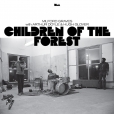
Milford Graves with Arthur Doyle and Hugh Glover, in the weeks leading up to their March 1976 recording of Bäbi.
Graves recorded these sessions himself in his legendary Queens basement laboratory and workshop. Outstandingly, the first two sides feature Graves on drums alongside Glover on klaxon and a Haitian one-note trumpet called a vaccine — “it’s important to keep that tribal possession-state feel… as in the Divine Horsemen of Haiti,” he says in the sleevenotes — and especially riveting, scorching tenor playing by Doyle, even by his own standards.
‘Classic Vinyl Series.’
From 1963 — with Wendell Marshall (bass), Willie Bobo (drums), Johnny Acea (piano), Carlos ‘Patato’ Valdes (congas), Gavin Masseaux (chekere); and on the last two Ike Quebec and Sonny Clark.
With Joe Henderson, Duke Pearson, Bobby Hutcherson.
The title-track is lengthily, meltingly gorgeous.