
Your basket is empty

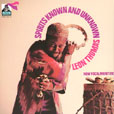
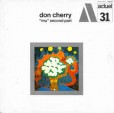
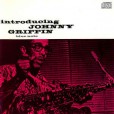
The singer’s 1969 debut under his own name — after a stint in Pharoah Sanders’ group — is his best album.
A beautiful, succinct version of Master Plan, a lovely Song For My Father, an angry Damn Nam. Malcolm’s Gone is a forgotten classic: intensely spiritual eastern sounds, with Pharoah Sanders at his most focussed.
Cecil McBee, James Spaulding, Roy Haynes, Lonnie Liston Smith, Richard Davis…
The CD offers three bonus tracks, including A Night In Tunisia, and a live version of Damn Nam (Ain’t Goin’ To Vietnam).
HIQLP and BGPCD from Ace.

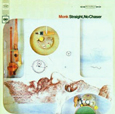
With Charlie Rouse (tenor sax), Larry Gales (bass), Ben Riley (drums). And Jon Hendricks with a great vocal version of In Walked Bud.
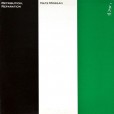
A core member of the circle around Horace Tapscott, pianist Nate Morgan was a key member of the Pan Afrikan People’s Arkestra, known as The Ark.
Here is the second of his two LPs for Nimbus West. His first, Journey Into Nigritia had been a declaration of arrival laced with energies drawn from Cecil Taylor and Coltrane. One year later, in 1984, with nods to Herbie Hancock (One Finger Snap) and Ellington (Come Sunday), Retribution, Reparation was a confident statement of purpose. Politically charged with pan-Africanist Black nationalism, and titled with uncompromising directness, the album focusses the soundworld of the Ark into a surging, restless masterpiece of spiritualised modal jazz.
Danny Cortez on trumpet and Jesse Sharps on saxophones comprise an explosive frontline. Fritz Wise and Ark regular Joel Ector hold down the rhythm section. Morgan’s forceful, Tyner-like chords and virtuosic solos bind the music together.
From the poised drama of the opening dedication to Tapscott’s U.G.M.A.A. organisation, through the propulsive militancy of the title track, Retribution, Reparation spreads the word: ‘Advance to Victory, Let Nigritia Be Free!’
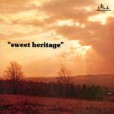
Pianist James Edward Manuel’s only release; amongst the deepest custom-press jazz recordings of them all.
Jaman studied under greats like Horace Parlan. Gigging on the Buffalo club scene, one of his early trios included the renowned bassist John Heard and drummer Clarence Becton, till both were poached one night by a visiting Jon Hendricks. Other sidemen include Sun Ra Arkestra bassist Juini Booth and Ahmad Jamal regular Sabu Adeyola.
Pressed in tiny quantities by the Mark Records custom service in 1974, and issued with a stock landscape cover, Sweet Heritage presents a soulful mixture of covers and originals. In particular, the flying, spiritual sound of Free Will and the upful, Latin-tinged In The Fall Of The Year — both Jaman compositions — have turned the LP into a legendary collector’s classic.
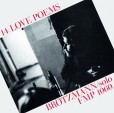
Our favourite of all his records.
From 1984, inspired by a Kenneth Patchen chapbook, it favours tenderness, lyricism and expressivity, but without foregoing Brötzmann’s characteristic squalling ferocity and angst. It never drags: he plays baritone, tenor and alto saxes, different clarinets including bass clarinet, and tarogato, bringing every trick and technique to bear on a whirl of feelings and emotions, in pieces nearly all less than five minutes. Bar the gorgeous opening reading of Lonely Woman, it’s all improvised, but utterly compelling, reflective, melodious, ravishing and rawly personal.
Beautiful music; hotly recommended.
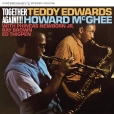
We love this LP; it’s an old favourite. You can hear Teddy adjusting the influences of Hawk and Bird to meet the challenge of Rollins and Coltrane. You can’t go wrong with any of his West Coast albums from 1960-67, for Pacific, Contemporary and Prestige. Classy, bluesy, no frills West Coast jazz; cultured but tasty and with-it. This one has the warmth, purposefulness and swing of a classic Blue Note. Phineas Newborn plays a blinder, too.
Here’s the Penguin Guide: ‘One of the best mainstream albums of its day… beautifully and almost effortlessly crafted.’
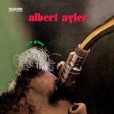
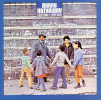
Slammed at the time as a sell-out, and what a joke that is. Brimming with raw physical emotion, but reaching out — in the revolutionary year of 1968 — to soul, rock and gospel.
Also the blues. When he was still at Cleveland High School, Albert spent two summers touring with none other than Little Walter. “The manner of living was quite different for me — drinking real heavy and playing real hard. We’d travel all day, finally arrive, take out our horns and play.”
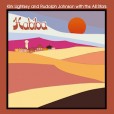
Originally released by Gallo in 1974, this is a raw, impassioned, stunning set led by bop pianist Kirk Lightsey (a regular sideman for Chet Baker) and saxophonist Rudolph Johnson (from Black Jazz), on a break from touring South Africa with Detroit crooner Lovelace Watkins.
A heavy-duty excursion into post-Coltrane spiritual modernism, ranging from the modal, cerebral intensity of the side-long title track Habiba, to the downhome breakbeat groove of There It Is, and the dark glitter of minor-key waltz Fresh Air. Long one of the most desired global jazz LPs, and never before available outside South Africa, Habiba is a forgotten masterpiece of its era.