

Your basket is empty

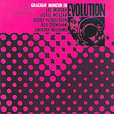
Triumphant risk-taking from 1963 — in the same group of key, reaching Blue Notes as Unity and Dialogue — showcasing the great trombonist’s own tricky, moody, shape-shifting compositions, including a strongly evocative Monk tribute. It’s thrilling to hear Lee Morgan stretch out like this; Jackie Mac really goes for it, too. Not to mention Bobby Hutcherson, Bob Cranshaw and the dazzling drumming of Tony Williams, just seventeen.
‘Classic Vinyl Series.’ ‘Ultimate HQ CD’ from Japan, using the recent Craft transfers and mastering.
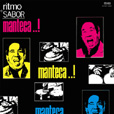
The business — pure, heavy, deep Afro Cuban funk grooves. 1970s bass-driven percussion delirium. Lazaro Pla aka Manteca alongside Nelson ‘El Flaco’ Pardon on timbales and Carlos Potato Valdes on congas.
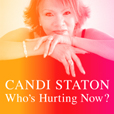
‘Early contender for 2009’s album of the year. Yes, already’ (Mojo). ‘The sheer soul in her voice is revolutionary’ (NME).**** The Independent, The Times. ‘**** a masterclass in gritty southern soul’ (Daily Mail).
‘Classic Vinyl’ series.
With Wayne Shorter, Sam Rivers, Herbie Hancock and Gary Peacock.
Classic Vinyl series.
Scorcher. Crucial Jackie Mac, with Pete La Roca also on top form.
‘Classic Vinyl Series.’
‘Sangam means ‘meeting place’ in Sanskrit. Don obviously knew exactly what he wanted to do, and Latif immediately understood, his fingers fizzing across the tablas at frightening speed… It was Don who suggested that Latif overdub new tabla parts to enrich and add complexity to the first takes. We could reasonably have expected to spend the night doing this because this was the first time the percussionist had done this. It took him all of five minutes to get used to listening to the first tracks over the headphones before playing them without the slightest mistake. When we got to the timpani, which he was playing for the first time, his keen sense of pitch and tone once again did miracles. During one take, just for the fun of it Latif started to play a fairly slow, disconnected duple time, moving on to three and then four… all the way up to 19 by which time his fingers were whizzing invisibly across the skins, leaving us in awe and him looking as if he didn’t know what the fuss was all about. All this just made Don even keener to impress his musical companion for a day…
‘Of course, the subtleties of this album call for greater analysis, for example the meeting between the Malian doussou n’gouni and Indian tablas, the Hammond organ taking over from the tampura, 5 1/4 time as if it were the easiest thing in the world, the reinvented Indonesian gamelan… and the lyricism of the pocket cornet.’
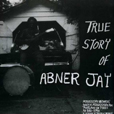
Wildly entertaining sixties outsider Americana from this one-man band out of south Georgia. With songs like I’m So Depressed, Cocaine, Vietnam and The Reason Young People Use Drugs.
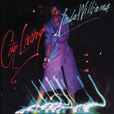
With the inspirational Elevate Our Minds.
A Richard Evans production from 1979, between Chicago and LA, crowning Linda’s years masterminding Natalie Cole’s success.
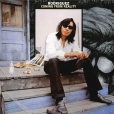
Recorded in 1971, up the road from us at the Lansdowne Studios, this was the Sugarman’s last shot at the big-time.
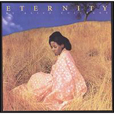
Trying out new ideas (including Stravinsky) after leaving Impulse! in 1975, by turns deploying Wurlitzer, Rhodes and harp, and Charlie Haden and Ben Riley, percussionists, and an orchestra.
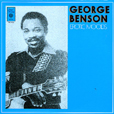
With the funky, bad-ass Smoking Cheeba-Cheeba. A bit of a skeleton in the closet, surely — the debauched transition from Wes Montgomery-styled 60s soul jazz, to the urbane sophistication of his super-stardom.
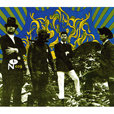
Previously unissued underground rock from 1969, Rockford, Illinois.
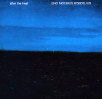
With Eno more the guiding hand for this second collaboration with Cluster. Open, airy, ambient, unhurried. Originally released in 1978, but still fresh (except for Eno’s singing).