
Your basket is empty

Her 1959 LP, with the first run out for signature classics like Hares On The Mountain.
Deluxe LP edition, with gold foiling on the sleeve, a four-page booklet, 140g vinyl.
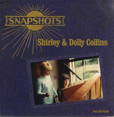
Shirley and her sister recorded in concert in the late 1970s; and a handful of demos from the 1960s.
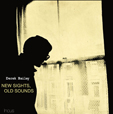
1978 recordings on acoustic and electric guitar, originally released on vinyl that year by the Morgue label in Japan.
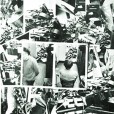
Recorded in 1971, Solo Guitar Volume 1 was Bailey’s first solo album. Its cover is an iconic montage of photos taken in the guitar shop where he worked. He and the photographer piled up the instruments whilst the proprietor was at lunch, with Bailey promptly sacked on his return.
The LP was issued in two versions over the years — Incus 2 and 2R — with different groupings of free improvisations paired with Bailey’s performances of notated pieces by his friends Misha Mengelberg, Gavin Bryars and Willem Breuker.
All this music is here, plus a superb solo performance at York University in 1972; a welcome shock at the end of an evening of notated music. It’s a striking demonstration of the way Bailey rewrote the language of the guitar with endless inventiveness, intelligence and wit.
At last, the vinyl reissue of this masterwork, adding two hitherto unreleased gems recorded solo for Charles Fox’s Radio 3 programme Jazz in Britain, in the same few months of 1980 as the stunning Aida performances.
The phrase ‘in the moment’ is often bandied about with reference to free improvisation, and indeed there’s no better way to describe Derek Bailey’s playing. The acoustic guitar is notoriously lacking in natural reverberation — notes barely hang in the air for a couple of seconds before they disappear — which explains the almost non-stop flow of new material in these stellar performances. Bailey knew from one split-second to the next exactly where to find the same pitch on different strings, either as a stopped tone or a ringing harmonic, and there’s never a note out of place. ‘He who kisses the joy as it flies,’ in the words of William Blake, ‘Lives in eternity’s sunrise’ — and this music is forever in the moment, constantly active but never gabby, kissing the joy.
One of the special pleasures of the BBC set is the guitarist’s own laconic commentary, a deliciously deadpan description of what he’s doing while he’s doing it — “I like to think of it… as a kind of music” — and the interaction between words and music is a particular delight. “You may have noticed a certain lack of variety,” he quips, while unleashing a furiously complex volley. Is it a coincidence that the final seconds recall the famous cycling fifths of the coda to Thelonious Monk’s Round Midnight? Surely not — for Bailey, like Monk, was a note man par excellence. And they’re both still alive and well in eternity’s sunrise.
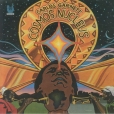
CD from Soul Brother.
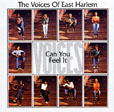
Arranged and produced by Leroy Hutson, who co-wrote all the songs, and part engineered at Curtom. The Voices’ best album, brimming with good vibes, bubbling grooves, great singing, political resistance.
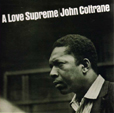
Mono vinyl.
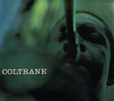
Totally unmissable just for the opener, a killer, 15-minute version of Arlen’s show-tune Out Of This World — drums and bass locking it down, Trane taking flight. From 1962, between Ole and Impressions.