
Your basket is empty

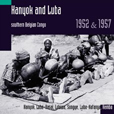
Two-thirds from the townships of the copper mines of Katanga Province, showing the early urbanisation of traditional sounds, the guitar taking over the thumb-piano parts.
Assorted mbira, mouth bows, karimba, story-songs, mulanji flutes, panpipes, drums.
The bangwe board zither, gourd kazoo big bands, tuned likhuba drum ensembles, virtuoso xylophone, a capella singing.
The bangwe zither, the one-stringed karigo lute, the kubu bow, the kalimba, malipenga gourd-kazoo marching music, choral and polyphonic singing.
From the copper mining towns of Katanga province, within the likembe tradition of the Luba peoples; and from the Zambian Copperbelt, diversely influenced by tradition or by American music from the radio.
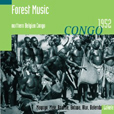
Two Mangbetu communities from the rainforest, the Mayogo and the Meje: drum ensembles, mass singing, likembe. Also the xylophone and kundi harp of the Azande people; more harp songs by the Balendu.
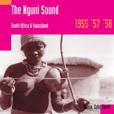
Mostly unaccompanied singing; also with musical bows — just knockout, some of the most beautiful music there is — flutes, and guitars and concertinas.
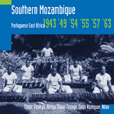
Sena and Ndau mbiras; Shangaan singing, drumming and xylophones; Chopi reedpipes and timbila xylophone orchestras, little girls playing ocarinas; Gitonga drums and singing horns.
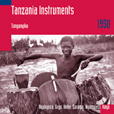
Ligombo and nanga trough zithers, lamellophones, drumming, a flute requiem, Zanzibar grooves, a panpipe ensemble, a makondere horn band.
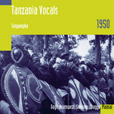
Six hundred Chagga singing on the slopes of Mt. Meru; one hundred Gogo on the plains near Dodoma. Funny songs by the Nyamwezi in Dar-es-Salaam; wigasha dance songs by the Sukuma near Lake Victoria; Masai chants.
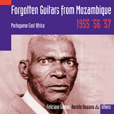
The roots of marrabenta — compelling guitar-playing, and gritty songs about everyday issues, like having kids, sleeping around, snobbery and the supernatural.
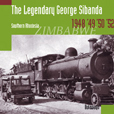
His fine guitar-picking and upbeat, carefree songs brought George Sibanda from Bulawayo the fame throughout southern Africa — and he was versioned in the US — which drove him to drink and an early grave.
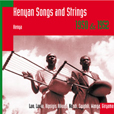
Luo, Luhya, Kipsigis, Kikuyu, Nandi, Swahili, Wanga and Giriama tribes. Choirs and songs with string accompaniment on guitar, oud, mostly lyres — like the thum, with eight strings, made of cow-tendons.
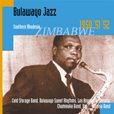
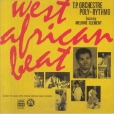
In front, trumpet and tenor saxophone, dominated by a wailing alto sound you can trace through to Dudu Pukwana; the bottom end, trombone or tuba or double bass; banjos strumming away; military-style drumming.
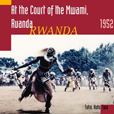
From the court of the Kingdom of Rwanda — abolished nine years later when the Republic was formed: the royal drums and courtly music disappeared along with the Mwami, or ‘king-shepherd’, after five centuries.
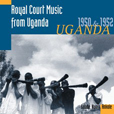
The royal music of the Ganda, Nyoro and Ankole peoples, lost when the palaces were burned down in 1966, and many of the musicians killed, and their instruments (some of them over four hundred years old) destroyed.
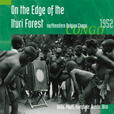
Musical interaction between the Mbuti pygmies and the Nande, Bira, Mangbele and Budu peoples living on the edge of the Ituri rainforest in the northeastern Belgian Congo.
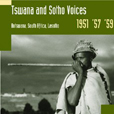
Singing, amongst ditlhaka reedpipes, and the lesiba mouth bow.
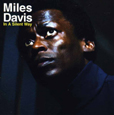
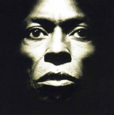
‘A transcendental new music,’ wrote Lester Bangs, ‘which flushes categories away and, while using musical devices from all styles and cultures, is defined mainly by its deep emotion and unaffected originality.’
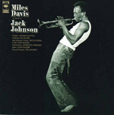
His neglected 1970 masterpiece.
The first side brings into focus the best things about Bitches Brew, with lethal menace; the second lays out a blueprint for Ambient and Fourth World.
Hotly recommended.
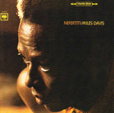
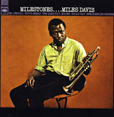
Fourth and last of the classic quintet albums with Shorter, Hancock, Carter and Williams. Mostly written by Herbie and Wayne Shorter — a valediction to hard bop, without the old-school machismo.
LP from Music On Vinyl.