



Your basket is empty

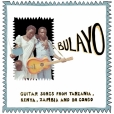
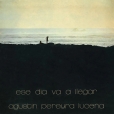
Beautifully relaxed, intimate recordings of fingerstyle guitar masterpieces by stars like Jean-Bosco Mwenda, Losta Abelo, and Emmanuel Mulemena, and brilliant but previously under-recorded artists like Tanzania’s Francis Kitime and Kenya’s Mtonga Wanganangu. From 1979-80, the sessions were set up in homes, village squares, and watering holes; you can hear laughter, children playing, and glasses clinking.
Lovely stuff.

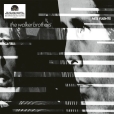
‘Dissonant, ghostly, and otherworldly, summoning complex emotions with sparse tools…
‘The songs are nested in tape hiss and arranged with vocal harmonies she layers like falling snowflakes and drones that fill up the crevices of your lungs. It has the tactile intimacy of 1970s folk musicians like Vashti Bunyan and Karen Dalton, music that feels tied to the natural world it dreams of…
‘This out-of-time music comes to us when the natural world is deteriorating and the ever-present internet is a tool of mass surveillance and a lens to witness multiple global atrocities at once. In her endeavor to exalt such a bleak world, Zuniga seems to be battling herself. She acknowledges that “memory always sees the loved one smaller” and then also shares “why I remember,” citing “white ripe strawberry bruise / beats in the heart” as her reason. She lays bare her pain but ends the record with a wordless composition of stormy static and crystalline piano notes titled To Live Happily. Zuniga allows these disparate perspectives to coexist without overexplaining. A star can be shining now and gone tomorrow, a memory beautiful and still insufficient. Her comfort with dissonance creates a sense of expansiveness and richness to songs that often only feature a handful of instruments at a time’ (Pitchfork).
Something special. Very warmly recommended if psych-folk from the same amphora as Joanne Robertson is your poison.
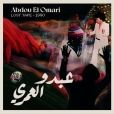
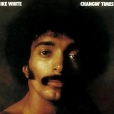
‘A visionary blend of spiritual jazz, psychedelic funk, Moroccan traditions, and electronic experimentation.’
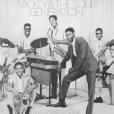
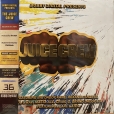
‘From 1970, the first Lightmen LP pre-dates the deep-set, maverick jazz issued by the likes of Tribe and Strata East. Mostly groove-based and cohesive, though pushing further out than you might expect from later Lightmens.’ A young Ronnie Laws is here, on the verge of hooking up with Hugh Masekela, and then Earth Wind & Fire; stylistically light years away from Pressure Sensitive, his breakout for Blue Note, in 1975. Also Bubbha Thomas on drums, Doug Harris on tenor sax, Carl Adams on trumpet, Kenny Abair on guitar, and Joe Singleton on trombone.
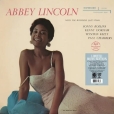
Mono.