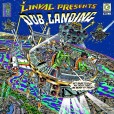

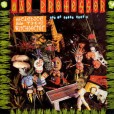
‘A brand new set of Dub Syndicate excursions utilising rhythms from their classic 1989 - 1996 period. Adrian Sherwood has gone back to the original tapes, working his mixing desk magic to find new angles on the timeless pulse of Lincoln Valentine ‘Style’ Scott, with fresh overdubs from Cyrus Richard (Dub Asante Band). Featuring new dubs of tracks originally found on albums such as Time Boom X De Devil Dead and Stoned Immaculate.’
‘Probably the best known Dub Syndicate album, this 1991 set was recorded between Jamaica and London, with the rock solid rhythms of band leader Style Scott augmented by a number of additional players, including guitar from Skip McDonald, vocals by Lee Perry and Akabu, samples of the late, great Prince Far I, and keyboards from Keith Levene.’
‘Another great set, with vocal contributions from mainstay Bim Sherman on a cover of Lloyd & Devon’s Cuss Cuss, and Shara Nelson (just prior to Blue Lines) on a version of Serge Gainsbourg’s Je T’aime. Originally released in 1989 and coinciding with the beginnings of Dub Syndicate as a touring unit.’
‘A follow-up to the Ambience In Dub anthology of the early Dub Syndicate albums, this box-set picks up the story in the late 1980s, with Style Scott coming more to the forefront of the project as bandleader and co-producer, and the group emerging as a live entity, mirroring the trajectory of Bonjo Iyabinghi Noah of labelmates African Head Charge.
‘This was also the period of their greatest popularity, with a series of classic albums that combined the best of Jamaican musicianship and the wild studio experimentation of Adrian Sherwood, resulting in music that appealed to ravers and dreads alike.
‘The four albums from that period — Strike The Balance (1989), Stoned Immaculate (1991), Echomania (1993) and Ital Breakfast (1996) — plus Obscured By Version, a special bonus album Sherwood has concocted out of new productions based on classic Dub Syndicate rhythms.’
With a 32-page booklet.
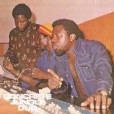
Rugged 1974 dub LP replete with Upsetters and Tubby vibes, including the killer Macca Bee, and a nice vocal-with-deejay Love Me With All Your Heart, and featuring fine fleet flute froughout.
Operating in mid-seventies Kingston, the Ultra label was owned by Alty East, spar of King Sporty (who co-wrote Buffalo Soldier and would marry Betty Wright). Splitting his time between Miami and Jamaica, Alty licensed Studio One sides for US release; and he brought the American soul singer Jerry Jones to perform in Kingston. Whilst he can’t remember anything about it now — he was so busy at the time — Boris Gardiner ran the house band (though a couple of these rhythms were probably recorded by Lloyd Parks’ Skin Flesh & Bones).
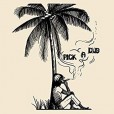
Haphazardly collecting Ultra dubs and instrumentals, and originally released in a tiny run, with handmade, silk-screened covers, Super Dub is a snapshot of the same Kingston-Miami nexus, infectiously blending roots and soul into tough nuggets of dub reggae.
As bassist, Boris Gardiner worked nine-to-five at Studio One in 1968 — that’s him on Feel Like Jumping, and The Heptones’ On Top LP. He was at Treasure Isle for its most celebrated recordings. He worked at Aquarius. Derrick Harriott’s The Loser is his arrangement. He was a mainstay of The Upsetters band in the mid-seventies (War In A Babylon, Super Ape, Police & Thieves, Heart Of The Congos etc).
Soul fans will revel in versions of Gene McDaniels’ A Hundred Pounds Of Clay, Gwen McCrae’s Rocking Chair, Otis Redding’s Nobody’s Fault, Betty Wright’s Tonight’s The Night. And reggae fans will treasure the canonical lineaments running through the mix, channelled through Boris: for example the ghost of The Upsetters in more stripped passages, in the tightness of the rhythm section (with organ), and also Lee Perry’s dubwise way with a vocal; the thorough-going presence of King Tubby — check the killer Freedom Roots, a dub of Tony Scott’s Freedom — and Niney’s way with a horn section, on Rider Roots.
With excellent notes.
Half price.
Twenty-three Errol T dubs of Joe Gibbs hits released between 1980 and 82, at the start of the dancehall era.
Two contrasting, bolshie, try-a-thing dubs, bristling with ideas and energy.
‘Ambulance Dub creeps along like John Carpenter laying down a dubplate special at Firehouse. The Bigger Tutti is full-on, punky-reggae-party steppers.’
Hand-stamped.
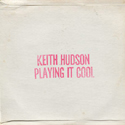
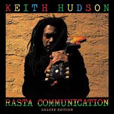
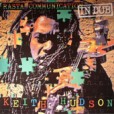
It was intended that one of Hudson’s teenage sons would voice the dubs. In the event the Love Joys, Wayne Jarrett, and most inimitably Hudson himself featured at the microphone. Like Wackies, Hudson was a Studio One devotee — ‘I used to hold Don Drummond’s trombone for him so I can be in the studio’ — and the album follows Coxsone’s recent strategy of overdubbing signature rhythms.
The Studio One sides were aimed at the dancefloor; Hudson’s reworks of tracks like Melody Maker are more psychological. Heavy Barrett Brothers rhythms are pitched down and remixed deeper still with reverb, filters and other distortion, and overlaid with new recordings of guitar, percussion, keyboard, voice, often crazily treated.
Originally released in 1981 on the Joint International label, in NYC.
Legendary, strange, compelling music.