Your basket is empty

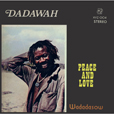
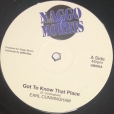
Dark, hypnotic, tripping nyabinghi from 1974.
Led by Ras Michael over four extended excursions, the music is organic, sublime and expansive, grounation-drums and bass heavy (with no rhythm guitar, rather Willie Lindo brilliantly improvising a kind of dazed, harmolodic blues).
Lloyd Charmers and Federal engineer George Raymond stayed up all night after the session, to mix the recording, opening out the enraptured mood into echoing space, adding sparse, startling effects to the keyboards.
At no cost to its deep spirituality, this is the closest reggae comes to psychedelia.
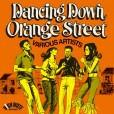
The 1969 High Note LP, on the cusp between rocksteady and reggae. Three of the former, with backing by Lynn Taitt & The Jets; nine of the new thing, featuring Sonia Pottinger’s in-house Soul Rhythms band. A great lineup of singers includes Delano Stewart, Ken Boothe and Delroy Wilson.
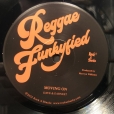
Reggaefied electro funk from 1986, riding the reverberations of Planet Rock.
Beatbox, synth, trumpet, and nursery-rhyme MC.
Funkin’ for New York (JA).
Betty Boop and a Alleyoop was jumping up and down… This feelin’s funk, that’s what it is, let it get into you, Jamaica funk, that’s what it is… Take it to the cosmo.
‘If you are poor, you walk in your shoes, you lean.’ Three Unity revive 12s in today, remastered and in spanking new sleeves. Altogether, as a label, the greatest UK digi there ever was.
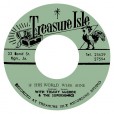
Actually this is Tyrone Evans from The Paragons, not Tyrone Davis the Chicago Soul singer, doing over Marvin Gaye & Tammi Terrell in fine style.
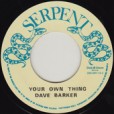
With Dave Barker’s moonstomping classic Funkey Reggae on the flip, poised between Shocks Of A Mighty for The Upsetter, and his international smash with Ansel Collins, Double Barrel.
Then again, “Don’t watch that, watch this.”
Fatis digi.
Opening with a Dennis Brown feint, Katt whirls through vegetarianism, military repression, street crime and religious salvation.
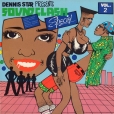
Electric Chair!

Ace mid-seventies roots and dub. Doomily austere and on-point, with both piano and organ, crisp high-hats, and and wickedly effective backing vocals.
An unmissable one-away, produced and arranged by Denton as the solitary release on his own label.

Rocking digital roots from Derwin Dawes, Donald Marshall and Anthony ‘Ringo Paul’ Hill — aka the Mighty Rulers, aka D’Nations — recorded in 1998, though never released before on vinyl.