Your basket is empty

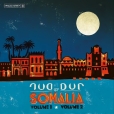
Precious, late-eighties dance music from Mogadishu. Big group — three horns, four singers plus three backing, two guitars, keys, drummer, two percussionists, bassist — choca with funk swagger and highlife shimmy.

This was the first in our series of Shangaan homages.
A metronomic, clicking beat to drive you crazy; a kind of Motorik lash — dubwise, midrange; moody strings.
Wry, driving, one-of-a-kind genius.
The roots of marrabenta — compelling guitar-playing, and gritty songs about everyday issues, like having kids, sleeping around, snobbery and the supernatural.
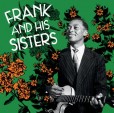
Radiant 1950s Tanzanian pop.
‘As a trio Frank Humplick, Thecla Clara and Maria Regina recorded and toured throughout East Africa and issued a string of instant classics, capturing fans with their beautifully harmonized singing, clever lyrics, and Frank’s stunning guitar work. Imagine the fingerstyle finesse of John Fahey cut with a pure pop melodicism, and combined with the family harmony of groups like The Carter Family, The Roches, and The Beach Boys, set in the golden age of Tanzanian music!’
With a colourful eight-page booklet featuring complete lyrics in English, Swahili and Chaga, as well as previously unpublished photographs, extensive interviews, biographies and anecdotes.
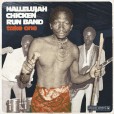
‘In 1972, the country of Rhodesia — as Zimbabwe was then known — was in the middle of a long-simmering struggle for independence from British colonial rule. In the hotels and nightclubs of the capital, bands could make a living playing a mix of Afro-Rock, Cha-Cha-Cha and Congolese Rumba. But as the desire for independence grew stronger, a number of Zimbabwean musicians began to look to their own culture for inspiration. They began to emulate the staccato sound and looping melodies of the mbira (thumb piano) on their electric guitars, and to replicate the insistent shaker rhythms on the hi-hat; they also started to sing in the Shona language and to add overtly political messages to their lyrics (safe in the knowledge that the predominantly white minority government wouldn’t understand them). From this collision of electric instruments and indigenous traditions, a new style of Zimbabwean popular music — later known as Chimurenga, from the Shona word for ‘struggle’ — was born. And there were few bands more essential to the development of this music than the Hallelujah Chicken Run Band…’
Their biggest hits — along with several rare tracks — recorded between 1974 and 1979.
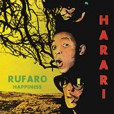
The Beaters changed their name in tribute to the Rhodesian township which hosted their Damascene cultural and political awakening. One year after the LP entitled Harari came out in 1975, they were back in the studio, deepening the African sensibilities of their music, but also trying out influences like jazz, fusion and prog, which would carry them forward.
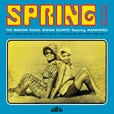
The landmark 1968 debut recording of pianist Ibrahim Khalil Shihab, aged twenty-two; also featuring terrific young saxophonist Winston ‘Mankunku’ Ngozi, Coltrane acolyte, on the verge of huge acclaim for his LP Yakhal’ Inkomo.
Scandalously, Paypal blocks anyone trying to buy this from us, because of the artist’s Arabic name.
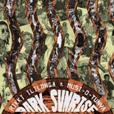
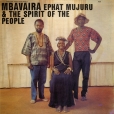
Classic Zamrock, cooking up Hendrix and Taj Mahal, the Congolese rumba and Afro-beat.
12-page booklet.
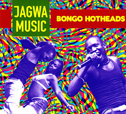
Casio and percussion nut-outs from Dar Es Salaam, Tanzania. Songs about the concrete jungle, infidelity and voodoo, Mchiriku-style.
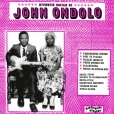
Half price.
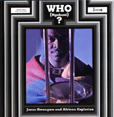
A funky afro-rock classic, his 1969 debut for Ahmad Jamal’s label by this future director of Amandla (the cultural ensemble of the ANC).
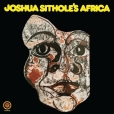
‘Masterful arrangements, inventive rhythms, rich harmonies, and a perfect balance of flute and saxophone interplay. Funk, Jazz, Gospel, Afro, and traditional elements all merge seamlessly into something unique and timeless.’
“South African spiritual funk gem. slick guitar, banks of horns” - Chris Albertyn (Matsuli).
“Dynamic South African funk. An album that will make you want to dance from start to finish” - Franck Descollonges (Heavenly Sweetness).

Kikuyu ‘liquid soul’, Luo benga with its rat-tat-tat beat and layered guitars, Swahili afrobeat, Congolese rumba, plus influences from SA and Zambia, disco and funk, coastal rhythms like chakacha. Mostly from 45s.
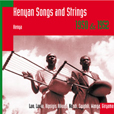
Luo, Luhya, Kipsigis, Kikuyu, Nandi, Swahili, Wanga and Giriama tribes. Choirs and songs with string accompaniment on guitar, oud, mostly lyres — like the thum, with eight strings, made of cow-tendons.
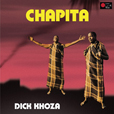
Fat, glorious mid-seventies South African afro-jazz classic from the vaults of As-shams.
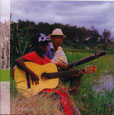
Various songs — and valiha zither, made from a bamboo trunk, the sodina flute, the angorodao accordion, the kabosy lute, and the amponga tany, a ground zither made of plant rope, wood, and shit.