
Your basket is empty

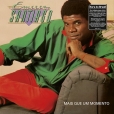
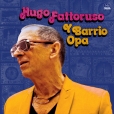
Classic Brazilian boogie, from 1983; including a killer version of Tania Maria’s Come With Me — Vem Menina — and the dancefloor smash O Amigo De Nova York.
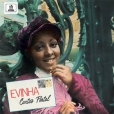
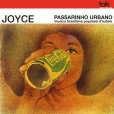
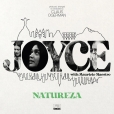
Her classic third LP, from 1971, originally released by Odeon Brazil.
‘Gems like Que Bandeira, composed by Marcos Valle, blending funk/soul and bossa/MPB; Esperar Prá Ver, co-written by her brother Renato Corrêa, with its stunning arrangement and an epic bassline that is hard to get out of your head; the archetypal samba soul of Só Quero; and vocal-driven groovy jams like Por Mera Coincidência and Rico Sem Dinheiro, spiced with celestial strings and heavy-duty drums and basslines.’
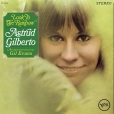
‘Verve By Request.’
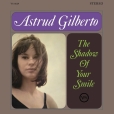
Astrud’s second Verve, branching out into jazz and American vocal staples, thankfully interwoven with five songs by Luiz Bonfá. Her signature emotional discretion and understated musical cool are played against the fluttering flutes and shaded strings of broad orchestral arrangements by Don Sebesky, Claus Ogerman, and João Donato. Produced by Creed Taylor;
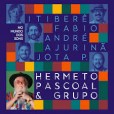
‘Eighteen dedications, each hybrid and different, but driven by an utterly personal approach to bebop, Brazilian jazz, Africa and Brazilian roots; thronged with his signature battery of whistles, screams, scales, keyboard, kettles, spoons, squeeze toys, children’s voices, prepared piano and geese calls; with the band adding native instruments like pandeiro, surdo, caixa, apitos, bonecos and agogos, besides saxophones, flute, electric piano, electric bass and so on. Musicians and genres such as Terry Riley, Frank Zappa and Weather Report, Javanese gamelan and Indonesian kulintang come to mind, but there is no real overlap: Pascoal has his own special brew.’
His first recording with his band in fifteen years. “My music is not commercial; it’s not like selling bananas or soap. I’m not in a hurry to record.”

The genre-slaying, polyharmonic, polyrhythmic ‘universal music’ of Hermeto Pascoal and his bassist Itibere Zwarg, performed in 2001 by a workshop comprising twenty-nine of Rio de Janeiro’s most exceptional young musicians.
An overlooked masterpiece amongst recent Brazilian recordings: invigorating and marvellous; warmly recommended.
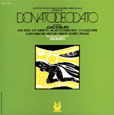
Their legendary 1969 collaboration — featuring Whistle Stop, and Airto in full flight.
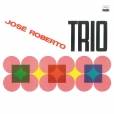
A year after Os Tatuís, José Bertrami returned to the studio, this time stripping back to a trio. Again featuring Claudio Henrique Bertrami on double bass, and with Jovito Coluna on drums, the José Roberto Trio recorded their one and only album in 1966, featuring compositions by Baden Powell, Manfredo Fest, and Marcos Valle. The LP also featured three of Betrami’s own compositions: the wistful Lilos Watts, the groovy Kebar, and the dazzling Talhuama.
Another jewel from the golden age of the Brazilian bossa jazz trio — Bossa Três, Milton Banana Trio, Tenório Jr,, Bertrami’s own Bossa Jazz Trio — ushered in by the Tamba Trio, and nourished along the way by jazz greats from Nat King Cole to Bill Evans,
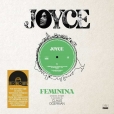
The first time out for this buried treasure recorded in 1977 at Columbia Studios in New York with Claus Ogerman.
Featuring fellow Brazilians Mauricio Maestro, Nana Vasconcelos and Tutty Moreno, and in-demand statesiders including Michael Brecker, Joe Farrell and Buster Williams, it kicks off with a sensational eleven-minute version of her anthemic Feminina. Check out Descompassadamente, too. Lovely stuff.
Ace Brazilian funk from 1977, with a flagrant dose of the Herbies.