



Your basket is empty

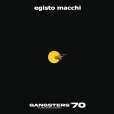
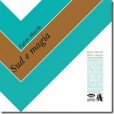
Created in collaboration with Walter Branchi from the Gruppo di Improvvisazione Nuova Consonanza, this soundtrack to Mino Guerrini’s 1968 film is among the most strikingly experimental of all Macchi’s music for cinema. A suspenseful, jet-propelled fresh mix of
psychedelia, jazz, and improv, threaded with beautiful melodies.
The first time out; from the master tapes.
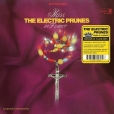
Crucial, preposterous David Axelrod!
Composed and arranged by the maestro, a psychedelic garage-rock opera, sung in Latin, with Gregorian chant, pipe organ, lashings of fuzz guitar, strings and horns.
A version of the opener Kyrie Eleison famously featured in the soundtrack for Easy Rider, accompanying several scenes.
This definitive reissue was mastered by Kevin Gray using the original tapes.
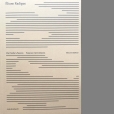
This stylish, devoted, two-hundred-plus-page book is based around a deep, fascinating interview, covering the work in detail, but with naturalness and directness; also Radigue’s life, milieux, aesthetics and methods, politics, and so on. There are numerous choice photos; a few precious sketches, flyers and diagrams. The oeuvre is listed, with commentaries. All texts are in both English and French, beginning with her prose poem The Mysterious Power of the Infinitesimal. Pretty much indispensable, if you’re at all interested.
‘Eliane Radigue and I decided to resume our conversation and come up with this expanded second edition of the book. Much had happened since the first edition that deserved to be explored in more depth, in particular the development of the Occam Ocean cycle. But I also took the opportunity to ask her questions about her earlier work that had not been addressed previously. The first four parts of this new edition remain unchanged, but they are now followed by an epilogue. The lists of works and publications have also been updated and extended’ (Julia Eckhardt, December 2023).
Captivatingly austere, minimal, deconstructed, but deft and in a way intimate.
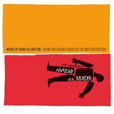
Plenty of thrills and spills in this soundtrack to Otto Preminger’s 1959 film. Steeply evocative dynamic and rhythmic contrasts and quick changes in orchestral density get the job done — with a repeated strain of melody — and make for highly entertaining listening, with numerous rollicking brass passages in amongst the piano-threaded impressionism, plus terrific soloing by Johnny Hodges, Ray Nance and co. Highlights include the suspenseful opener, the moody Midnight Indigo, the sublimely sad Almost Cried, and the band hard-rocking out-the-door with Upper And Outest, culminating in an amazing stratospheric passage by Cat Anderson, playing for a moment as if the needle is stuck.
Check out the opening of the film, with its title sequence by Saul Bass, and Duke’s music. Class.
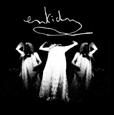
Not for the faint-hearted — dark and dirty psych improv from Chie Mukai, Eric Cordier and Seichi Yamamoto (Boredoms). Moody, subterranean squalls and drones, blowing up like a bad-tempered Fushitsusha.
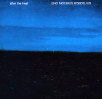
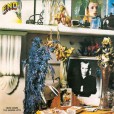
With Eno more the guiding hand for this second collaboration with Cluster. Open, airy, ambient, unhurried. Originally released in 1978, but still fresh (except for Eno’s singing).
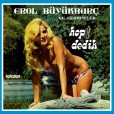
Anatolian funk rock revive.
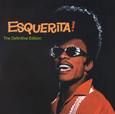
Basket-case rock and roll from 1958.
‘The first studio encounter between London-based duo Exotic Sin and Swiss percussionist Julian Sartorius. Six improvisatory paths, building at a relaxed pace; tactile and stripped-back, with room for the listener to enter into their evolving sound. Anchored by piano, delicate wood, metal, and air instruments, a fluid system of interactions develops: repeating, deepening, never fixed; not cyclical or linear, eschewing the guard-rail of recurring motifs; broad, forward-looking, and fleet of foot.’