
Your basket is empty

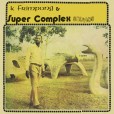
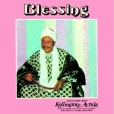
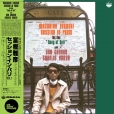
Deep, hypnotic high-life — fused with traditional Ahyewa rhythms — in six sections each side, recorded in 1975 at Ghana Films Studio for the Kumasi-based Ofo Bros label, by this legendary veteran of the Star De Republic and K. Gyasy bands.
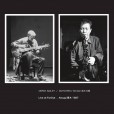
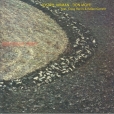
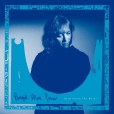
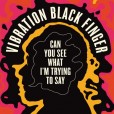
‘Returns to original composition and the blues… with a freshness and authority that nostalgic retreads cannot deliver… Three songs (Odds Against Tomorrow, The Writhing Jar, Already Old) are multi-tracked, an innovation that, for guitar buffs familiar with Orcutt’s stripped-down vernacular, jumps out of the grooves like a Les Paul sound-on-sound excursion in 1948, or a Jandek blues rave-up in 1987. Specifically evoking John Lee Hooker’s double-track experiments on 1952’s Walking the Boogie, the steady chord vamps of Odds Against Tomorrow and Already Old form a harmonic turf on which Orcutt solos with lyrical abandon. The Writhing Jar’s crashing overdubs recall the brassy six-string voicings of This Heat or Illitch. With the exception of the unreconstructed Elmore James-isms of Stray Dog’ and the Layla-finale-like haze of All Your Buried Corpses Begin To Speak, the remaining non-overdubbed tracks dovetail snugly with Orcutt’s previous solo output, reeling gently in a Mazzacane-oid mode or vibing up the standards (Moon River)... Odds Against Tomorrow challenges contemporary solo guitar practice in a way that simultaneously nullifies hazy dreams of folk purity and establishes a new high-water mark for blues-rock reconstruction” (Tom Carter).
Another reaching, cosmic, old-to-the-new foray by saxophonist and multi-instrumentalist Daniel Carter, pianist Leo Genovese, bassist William Parker (also playing gralla and shakuhachi here), and drummer and vocalist Francisco Mela (singing snatches of traditional Cuban music).
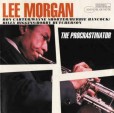
‘Classic Vinyl Series.’
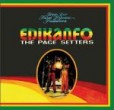
‘Turbocharged highlife from 1980s Ghana… It opens in fine style with Nka Bom, horns sharply descending over a disco bassline, with a triumphant electric piano solo and a lengthy percussion interlude. Other highlights include the growling Gbenta, with a bluesy bassline and machine-gun drumming, and the trumpet voluntary and dubby choral singing on Moonlight Africa’ (Financial Times).
Produced by Eno, who discarded his own contributions as ‘clumsy and unnecessary compared to Edikanfo’s witty, light funkiness… What they’d given me was finished — there was nothing else I could add.’
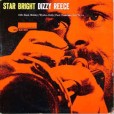
‘Classic Vinyl Series.’
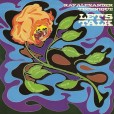
Legendary Harlem soul and funk from 1973 — the RAT was the house-band at the Apollo — with bags of lo-fi charm and sublimated Isaac Hayes to its ‘unabashedly sincere songs that perfectly encapsulate the era’s heady milieu of black pride and cultural awareness, and the plaintive emotion of struggling to realise dreams whilst navigating a city and neighbourhood in decline.’
Painstakingly prepared according to the remit of this series; with excellent notes.