



Your basket is empty

His wonderful, classic debut as leader, with Frank Butler, Carl Perkins and co.
Reshapes of classics by Art Blakey, Horace Silver, Hank Mobley, Dexter Gordon, Kenny Burrell, and Eddie Gale, among others — with contributions from vibraphonist Joel Ross, trumpeter Marquis Hill, alto saxophonist Greg Ward, guitarists Matt Gold and Jeff Parker, bassist Junius Paul, and De’Sean Jones on tenor saxophone and flute.
“When piecing everything together, I wanted to create a narrative that made the listener feel like they were falling into this space or a movement. I was really trying to make a record out of it, not just a series of tracks… The music that we’re making now is part of the same route and is connected, so I want to honor tradition and release something that people can vibe to.”

1967 — Rudd and Moncur, Jimmy Garrison (an unmissable solo overture), and Beaver Harris, tearing like a tornado into three-quarters-of-an-hour of One For The Trane.
Lost Treasures From The Vaults, 1959-69, Volume Three.
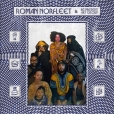
‘Roman Norfleet and Be Present Art Group play deeply felt, sometimes earthy, and sometimes cosmic music. A trio (sax, drums, and organ) are augmented by additional percussion, soaring vocals, and even a vocal appearance by a toddler. Roman Norfleet and Be Present Art Group will take you where you need to go. A spiritual classic for the ages, following the lineage of Alice Coltrane and Pharoah Sanders yet firmly rooted in the present.’
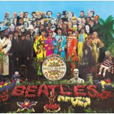
Anniversary LP edition.
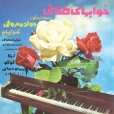
‘The pianist and composer Javad Maroufi (1925-1993) is the great interpreter of Iranian classical music. His repertoire defines a precise encounter between Western classical music and the traditional folklore of his homeland. Through his academic training, he absorbed the lessons of the works of Chopin, Mozart, Bach and Beethoven, but his refined pianism echoes and reinterprets the popular melodies of ancient Iran. A profound and delicate song of the drama of life; joys and sorrows, dreams and desires. The sublime and soft touch of trills and arpeggios become pure introspection and a mirror of the soul. These are romantic poems that seem to narrate memories, losses, farewells, poverty or happy visions. Sad rhapsodies, laments, ballads, nocturnes resigned to calm and solitude. A hymn to nostalgia that also recalls the soliloquies of Ethiopian pianist Emahoy Tsegue and Satie’s symbolic twilight.’

The forgotten music of the Austro-Hungarian diaspora in the mid-west of the United States. An Ian Nagoski compilation to inaugurate the label, with a cover by Eric from Mississippi Records.
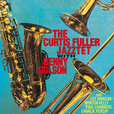
With Lee Morgan, Wynton Kelly and Paul Chambers in 1959, the fabulous trombonist at the threshold of his Jazz Messengers stint, with dates for Miles, Sonny Clark and John Coltrane already under his belt.
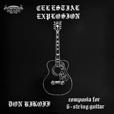
His only solo album, from 1968, when he was on the Greenwich Village circuit, plaiting together blues and Eastern styles in the same neck of the woods as Fahey, Basho et al, but in his own way.
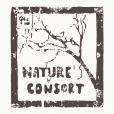
‘Pianist Bobby Naughton’s debut album was a DIY effort recorded on home equipment and featuring a hand-printed woodblock cover. Released in 1969, the album was distributed independently at concerts and by mail, receiving little attention initially, but over the years it gained a reputation as a rare, sought-after artifact of the period.
‘Nature’s Consort was a collective project, with bandmates Mark Whitecage, Mario Pavone, and Laurence Cook sharing equally in any profits. However, Naughton was the driving force behind the group’s creative direction. He composed much of the original material and selected pieces by Ornette Coleman and Carla Bley for the band’s repertoire. Though Nature’s Consort received little press at the time, it has since been recognized as a significant early document of the loft jazz era, representing Naughton’s disciplined, improvisational approach to music.’
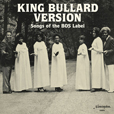
Soul-drenched, late-sixties gospel from Cleveland.