
Your basket is empty

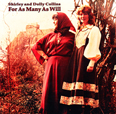
Their last album, from 1978 — with a stunning reading of Richard Thompson’s Never Again, fine trad like Lord Allenwater, Gilderoy, The Moon Shines Bright, and a medley from John Gay’s The Beggar’s Opera.
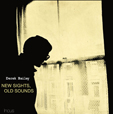
1978 recordings on acoustic and electric guitar, originally released on vinyl that year by the Morgue label in Japan.
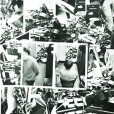
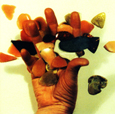
Recorded in 1971, Solo Guitar Volume 1 was Bailey’s first solo album. Its cover is an iconic montage of photos taken in the guitar shop where he worked. He and the photographer piled up the instruments whilst the proprietor was at lunch, with Bailey promptly sacked on his return.
The LP was issued in two versions over the years — Incus 2 and 2R — with different groupings of free improvisations paired with Bailey’s performances of notated pieces by his friends Misha Mengelberg, Gavin Bryars and Willem Breuker.
All this music is here, plus a superb solo performance at York University in 1972; a welcome shock at the end of an evening of notated music. It’s a striking demonstration of the way Bailey rewrote the language of the guitar with endless inventiveness, intelligence and wit.
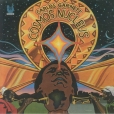
CD from Soul Brother.

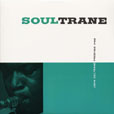
Trane’s majestic debut for Atlantic, ushering in the 1960s. Refreshingly the CD-only alternates are intriguing (from several dates in 1959 with various pianists and drummers).
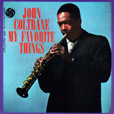
With the classic, studio version of the title track. The drummer John Stevens used to rave about Steve Davis, seldom recorded but here on bass.
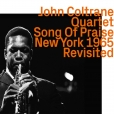
Two dates from an extended stay at the Half Note club, March 26 — May 7, 1965; originally captured for radio broadcast, but issued by Impulse! in 2005 as One Down, One Up: Live At The Half Note.
Here it is again, with vastly improved sound, re-sequenced to culminate in the stunning saxophone-drums duet One Down, One Up.
Writing in All About Jazz, Chris May quotes Alice Coltrane, reminiscing about this period: ‘Someone in the audience would stand up, their arms upreaching, and they would be like that for an hour or more. Their clothing would be soaked with perspiration, and when they finally sat down, they practically fell down. The music just took people out of the whole material world; it lifted them up.’ And Archie Shepp, specifically about these Half Note gigs: ‘It was like being in a church. I mean, Coltrane brought something which raised this music from secular music to a religious world music.’
Coloured vinyl.