
Your basket is empty

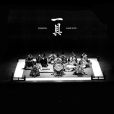
‘Japanese classical music and dance, traditionally performed by families of musicians linked to the ancient Imperial court, and later passed down in Buddhist temple ceremonies and Shinto shrines, Gagaku is the oldest of the Japanese performing arts, with a history more than a thousand years old. Founder and director of the Reigakusha ensemble, Shiba Sukeyasu descends from the Koma clan, dating back to the end of the 10th century. The recordings partly reflect repertoires borrowed from Chinese music between the 5th and 9th centuries.
‘The eternal breath of the flutes (ryuteki and hichiriki) creates a sort of suspension of time, together with the hypnotic and hallucinatory atmosphere of the mouth organs (shō). The meditative tone of the string instruments (bika and koto) that punctuate the voids and silences is impressive, as is the enigmatic percussion section, with the tolling of the gong (shōko) and the calibrated beats of the drums (taiko and kakko).’
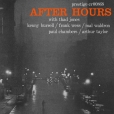
A classy, rock steady sextet — the rhythm section is Art Taylor and Paul Chambers — presenting four compositions by Mal Waldron.
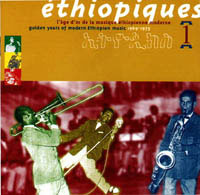
Music from the Amha label run by Amha Ashete, driving force of modern Ethiopian music.
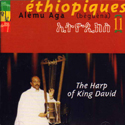
With virtuoso self-accompaniment on the beguena — an oversize ten-string lyre, the oldest instrument played in Ethiopia: religious songs as well as traditional fables, folk tales and poems.
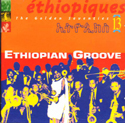
Another survey of the golden age of modern Ethiopian dance music — bound up with the production of vinyl records — between 1969 and 1978.
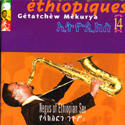
Starting in the early fifties, long before Ayler and Ornette, Mekurya’s stroke of genius was to give improvisatory voice on his saxophone to the ‘shellela’ singing style — epic, harsh, war-like.
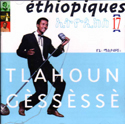
For Ethiopians, their greatest singer of all time; with music arranged by Mulatu Astatqe for the Army Band, the Exhibition Band, the Police Orchestra, the Bodyguard Band.
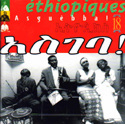
The sequel to Volume 2 in this series, and featuring many of the same singers, accompanied by the messenqo (one-string fiddle), the krar lyre, the kebero drum and the accordion.
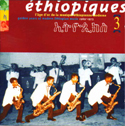
Sublimely tilted like Sun Ra, rocking like James Brown at the Apollo, the tracks here by police bands are a reminder that Ethiopia at the time had no independent modern groups.
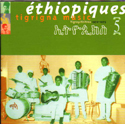
The music of Tigray and Eritrea — where the majorities speak the Tigrigna language — is rhythmically and melodically different from Ethiopian music.
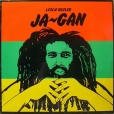
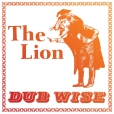
Mid-seventies Harry J dub, led by keyboardist Leslie Butler, but featuring Joe White on melodica. The original LP plus eight spaced-out dubs from the vaults, including a dubwise take on Me And Mrs Jones. (There’s no messing with Billy Paul’s singing, though. Thankfully the melodica comes to the rescue.)
This is ace.
Sweet harmonies; a majestic, more-ish rhythm, with a touch of the natural mystic. A lover’s open-hearted overture without the usual screwface braggadocio: ‘Me look like a lion but me humble like a lamb.’
An under-stated classic by the Indian-Jamaican Silpatt brothers.