

Your basket is empty

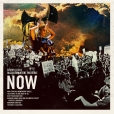
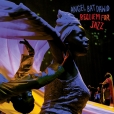
Recorded at the tail end of summer 2020, in the garden behind Chicago’s Experimental Sound Studio, by this collective of artists, musicians, singers, and dancers, including Angel Bat Dawid and Ben LaMar Gay.
“It was about offering a new thought,” says Locks. “It was about resisting the darkness. It was about expressing possibility. It was about asking the question, ‘Since the future has unfolded and taken a new and dangerous shape… what happens NOW?’”
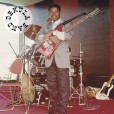
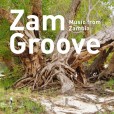
Led by guitarist Dekula Kahanga, veteran of the legendary Tanzanian dance band Orchestra Maquis Original; also featuring Congolese singer Gaby and musicians from Kenya, Uganda, Senegal and Sweden.
Hypnotic, infectious, graceful soukous; newly recorded, channelling thousands of rollickingly good nights out. (The band plays monthly at the not so glamorous club Lilla Wien in Stockholm.)
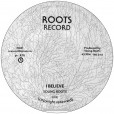
Deadly, seventies, New York roots. Rugged, a little wired.
The basic rhythm-track is Wackies-style. The flamboyant brass chart is jazzier. Moody organ, too. Young Roots himself goes on a bit.
The band backed The Aksumites on their first 12” (Afrika Fe De Afrikan) and gigged around the City.
I Believe this reissue is not properly licensed.
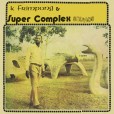
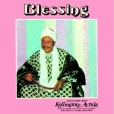
Deep, hypnotic high-life — fused with traditional Ahyewa rhythms — in six sections each side, recorded in 1975 at Ghana Films Studio for the Kumasi-based Ofo Bros label, by this legendary veteran of the Star De Republic and K. Gyasy bands.
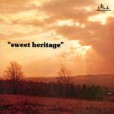
Pianist James Edward Manuel’s only release; amongst the deepest custom-press jazz recordings of them all.
Jaman studied under greats like Horace Parlan. Gigging on the Buffalo club scene, one of his early trios included the renowned bassist John Heard and drummer Clarence Becton, till both were poached one night by a visiting Jon Hendricks. Other sidemen include Sun Ra Arkestra bassist Juini Booth and Ahmad Jamal regular Sabu Adeyola.
Pressed in tiny quantities by the Mark Records custom service in 1974, and issued with a stock landscape cover, Sweet Heritage presents a soulful mixture of covers and originals. In particular, the flying, spiritual sound of Free Will and the upful, Latin-tinged In The Fall Of The Year — both Jaman compositions — have turned the LP into a legendary collector’s classic.

‘Spectacular examples across the board: mesmeric guitar playing in the Barotse style, which uses tunings from the local thumb-piano tradition; kangombia thumb-piano music; rollicking drum ensembles; and jaw-dropping performances of siyemboka, Barotseland’s national music, played on silimba — giant wooden xylophones, sometimes five metres in length, played by four or five men at once’ (The Wire).
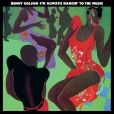
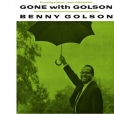
George Butler was head of A&R at Blue Note during the seventies. He co-produced Black Byrd with the Mizells; he signed Bobbi Humprey. When Blue Note closed in 1978, one of his first projects for Columbia was a disco-funk project with the legendary bebop saxophonist Benny Golson, on the cusp of his own comeback.
Golson was at high school with John Coltrane. He featured in a deadly late-fifties Jazz Messengers lineup; also Art Farmer’s Tentet. He wrote I Remember Clifford and Whisper Not.
It’s telling, how the jazz establishment has always despised this record. The title track was a humungous rare groove anthem, guaranteed to tear up a dance with its swinging, swaggering, musically-inspired upfulness, school of Walking In Rhythm and Music Is My Sanctuary.
Bikini Kill, Boris, Endless Boogie, New Kingdom, The Clean, ELO, Archie Shepp, Echo and the Bunnymen, Primal Scream, The Guerilla Girls, Planetary Peace…