
Your basket is empty

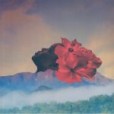
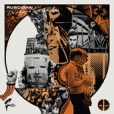
‘With a new lineup including multi-instrumentalists Kwake Bass and Wu-Lu, who are also the producers and arrangers. Horns, played by Soothsayers’ founders saxophonist Idris Rahman and trumpeter Robin Hopcraft, are included on just two of the ten tracks…
‘McFarlane’s spellbinding, crystalline voice continues to be acoustically recorded and reproduced and the primary focus of attention. Her lyrics, as before, are strong on message and relate to the experience of being a black person in Britain, touching on race, identity and the legacy of colonialism.
‘McFarlane’s performances aside, what binds Arise and Songs of An Unknown Tongue together is her embrace of her Jamaican heritage. What makes them distinct from each other is how that heritage is referenced in the material, lyrically and instrumentally. Born and brought up in London, McFarlane made an extended trip to Jamaica in 2018, when she penetrated further into the country’s folk culture and spiritual traditions than she had been able to do on previous, shorter visits. She devoted much of her time to researching the African-derived rhythms that shape the country’s folk music. On her return to London she worked with Wu-Lu and Kwake Bass to present them in a modern electro-acoustic context…
‘It looks forward to a brighter future while acknowleding the past and confronting present. It is deep, immaculately crafted and beautiful.’
(Chris May, All About Jazz).
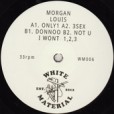
At last, after a long break… WM006.
A four-track EP by Morgan Louis — from the 004 showcase — plus three locked grooves.
Pedigree, locomotive, deep steppers.
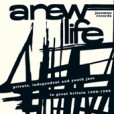
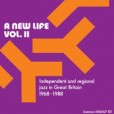
A fresh survey of post-bop, outsider British jazz labels and musicians: obscure gems, from the time-bending spirit music of London’s Lori Vambe to the psych-jazz of Birmingham’s Poliphony, via Spot The Zebra’s jazz dedication to David Attenborough and Indiana Highway’s modal Christmas carolling.
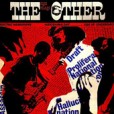
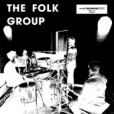
An anti-war collage of words and sounds from August 6, 1966, including contributions from a plastic clock-radio, The Velvet Underground, Gerard Malanga, Marion Brown, Allen Ginsberg, Ishmael Reed, Andy Warhol (standing around silently) and Ed Sanders.
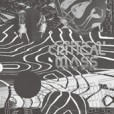

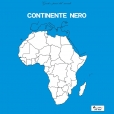
Dark, spooked, early-seventies worries from PU — disguised as M. Zalla, in the throes of his fascination with psychedelia and electronics — with titles like Mondo in Crisi, Problemi Sociali, Azione Sindacale and Mafia Oggi.
Drum-machines, Moog and EMS Synthi.
Still acutely germane; musically and temperamentally.
Demdike Stare has called it the first techno record.
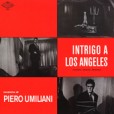
This soundtrack to Romano Ferrara’s 1964 spy movie is one of PU’s best and most celebrated. Featuring Nini Rosso, Chet Baker, Bill Gilmore, Marcello Boschi and many others. Excellent sound, from the original analogue masters, with lots of bonus material; in a beautiful sleeve, with a reproduction of the original movie poster on the inside gatefold.
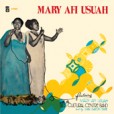
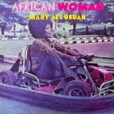
A stupendous blend of scintillating highlife, smoking Fela and spaced-out, funkdafied Black Jazz, from 1975 — Mari Affiong Usuah from Oron town, by way of Calabar in southeastern Nigeria, fronting a knockout band led by Daniel ‘Satch’ Asuquo from the Atomic 8 (and formerly of Bobby Benson’s orchestra).
The Afrofunk cuts are especially killer — with James Brown just percolating through by the end — but it’s a stunning, magnificent album, through and through.
Beautifully sleeved, too, with excellent notes by Uchenna from Comb & Razor. ‘Gob, smacked,’ he recalls, of his first listen; ‘mind, blown’.