


Your basket is empty

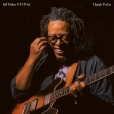
Jeff Parker ETA IVtet.
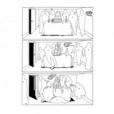
None other than Blawan on his lonesome ownsome — after collaborations with Pariah as Karenn, and Surgeon as Trade — returning to the blood-drenched scene of his heinous Why They Hide Their Bodies.
New name, new sound; heavier and slower than his Ternesc output. The title track is the banger. Acid techno — deliberate, widescreen and ominous.
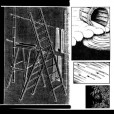
A cosmic, percussive jam and bitter-sweet electroid house — both veering sharply into dark, steely, dubwise self-harm. Allegedly the fiftieth utterance of our favourite dance music label in the world. Hats off! More worries!
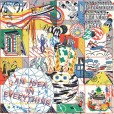
Improvisations between Greenberger reading texts from his massive archive of old people’s testimony, Jones playing banjo and guitar, Corsano on drums.
‘Despite the dark and sad feeling of some of the texts (dealing with aging, memory loss etc), there is also humor, joy and grit. The album is a rollercoaster of emotions, a glittering patchwork of sonic atmospheres and an oral encyclopedia on dozens of subjects, like coffee, cigarettes, planets, art ... life ... and death.’
You can’t make sense of this, clicking through mp3s, on tin-pan computer speakers. Put the record on, though, and set the controls for the heart of the bloke next door, and it’s terrific. The drum-less, throbbing, droning, wailing, sawing, twinkling reconnaissance of Nothing, with massive, unnerving swoops, throttling and surges.
Beatrice Dillon and Kassem Mosse.
Great photos by Anne Tetzlaff on the sleeve.
DJ Nobu & NHK yx Koyxen.

Born in Burlington, Vermont, and conservatory-trained in the US, the cellist Tristan Honsinger moved from Montreal to Amsterdam in 1974, quickly linking with Han Bennink and Misha Mengelberg, and opening a long and fruitful musical relationship with Derek Bailey. Recorded in 1976, Duo displays a performative musical approach already characterised by the lack of inhibition which would later endear him to The Pop Group: he is knockabout, exclamatory, explosively rhythmic; burping Bach and folk melodies with spasmodic lyricism, in amongst the garrulous textures and accents of his scraping, bowing and plucking, and gibbering like a monkey; throwing out his arms and stamping the floor, grappling with his instrument like an expert clown, always on the lookout for new ways to trip himself up. You can hear Bailey revelling in the company, as he ranges between scrabbling solidarity and an askance skewering of his partner’s antics, on prepared (nineteen-string) and standard electric guitars — and a Waisvisz Crackle-box, for the garbled, quizzical, cross-species natter which closes The Shadow. Throughout, the spirited interplay between laconic, analytic wit and guttural, sometimes slapstick physicality is consistently droll, often laugh-out-loud funny; vigorously alert, alive and gripping.