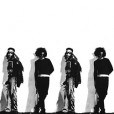

‘The surrealist, psychedelic brain-burps of notorious all-caps-tweeting wind-up-merchant Louis Johnstone aka Wanda Group. Twenty-six congealed morsels of spur-of-the-moment
sound-art executed with genuine economy of means, namely… a phone. An impulsive, scatter-brained trip into the inner circles of regional weirdness, secreting a creeping unease which really gets under your skin. Fragments of aural rubble haphazardly cohere into galvanising spacial tones and textures, punctured by Johnstone’s garbled Essex rantings. The long-distance stare of warbled tape loops is abruptly fractured by a drunken sing-along in a care home for the elderly. As hallucinogenic takes on the utterly mundane, there’s an obvious kinship with Lambkin’s nocturnal, straight-to-dictaphone sound-pieces. Dan Johannsen’s splintered classical collages on that PIG tape and the suburban soliloquies of Regional Bears alumnus Russell Walker also feel closely aligned.’ (All Night Flight)
With an A4 riso insert.
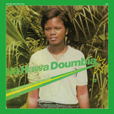
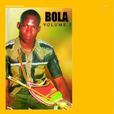
Starkly intimate, utterly captivating early recordings by this wonderful Malian singer. Voice and acoustic guitar only; as if you were the only person in the room.
The sound has been brilliantly restored by Awesome Tapes, for its fiftieth release.
Achingly beautiful music; hotly recommended.
Classic kwaito by Professor Rhythm and friends, from 2001. That defining Jo’burg blend of hip-hop and house, but enlivened by a distinctive grab bag of fresh influences, and notably quirky and quick on its feet.
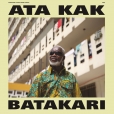
No-shame housey Tsonga-disco and hands-in-the-air rave banged out on Korgs and Ataris in 1994 South Africa. It sold tons, rocking stadiums from Liberia and Sierra Leone to Namibia and Mozambique.
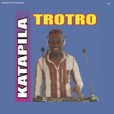
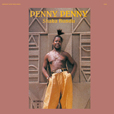
Utterly infectious, bubbling, spare, playful house music from Ghana, steeped in neo-traditional idioms like gome and kpanlogo, as much as vintage Chicago acid and UK rave, highlife and hiplife, soca and dancehall. (As well as Accra pop radio stars like Crystal Waters, Inner Life and Rick Astley.) Over bass-heavy, percussive rhythms, Trotro sings, chants and raps in Twi and Ga, often like no one is listening. It’s impossible not to answer back.
Terrific, refreshing stuff.
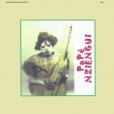
Stunningly modernised Tsogho ritual music from the interior forest of Gabon.
Beaten rattles, synths, Bwiti harp, male-female dialogical singing.
Released in 1989, to the intense consternation of purists; never before available outside Gabon.
Game-changing, and as authentic as it gets; warmly recommended.

Two teenagers’ amapiano music from Gauteng province in South Africa, drawing on jazz, folk, afro, deep and tech house, kwaito, and dibacardi… but sounding like none of them.
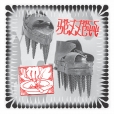
Snoopy is hard to follow up. The same brilliant musicality is lavished on Orange — a combination of unmistakably original, skittering drum programming, startlingly fresh instrumental interjections, creepily invocatory voices, and dubwise treatments — giddily imbued with the dark arts of ritual and seance. But Orange is more gripping, focussed and urgent, more intense and ambitious. Next level.
Its first quarter presents a trio of forays in suspense.
Bassline squares up like an epic psych-funk grinder, with a moody guitar line traversed by ticking drum patterns and faint electric crackle. In no time the guitar is staggering and stammering under the duress of echo and distortion, and over-run with percussive electronics and the first of the voices massing in the music’s head. The mood has quickly become more trepidatious. We’re deeper underground; it’s gloomier, wetter.
Shred propulsively ratchets up the tension and menace. Glazily tentative xylophone is played against slashing, nervy cello. The voices are more strangulated and sick now. Flutes and chimes evoke the same kind of beautiful, contaminated efflorescence which is pictured on the LP’s front cover.
Voice Of The Spider makes easier progress across this cavernous, shadowy, dripping terrain, with funky pads and Nasty, eighties, No Wave electric bass; woozy chimes, non-plussed keys, singing-in-tongues.
Pink Mist marks an arrival, or unbottling, with annunciatory church-organ and choral voices from the off, and a newly relaxed, head-nodding kosmische rhythm.
Mandarin is a short, beat-less and voice-free interlude for piano and bass. It’s reflective and nostalgic, ambivalent and inconclusive, with a lovely snatch of melody. A bridge half-way.
Would You Like A Vampire is a triumphant, mesmerizing go at New Folk, with strummed acoustic guitar, descant song, and jazzily restless drum programming (including a tasty bass-bin trembler). Amazingly, Conrad Standish is joined at the mic by none other than Bridget St John. Together they sing ‘Earth is Paradise’ so repeatedly and tremulously — and the song is cut off so abruptly at the end — it seems as if the verb is teetering on the past tense, and hymn fading into valediction and catastrophe.
In the same line of thought, Storm Rips Banana Tree begins idyllically enough, with a CS-&-Kreme-style raga… before something like an immense, obliterative drill starts up. Harpsichord and organ — by James Rushford — and flutes, and clapping, distant chanting and insectile percussion steadily leaven the dread, till finally all that is left is lapping water.
It’s an epic, deeply immersive, compelling, thought-provoking, twenty-minute finale… the coup de grâce.
TTT TTT TTT TTT TTT TTT TTT TTT TTT TTT TTT TTT TTT TTT TTT TTT TTT TTT TTT TTT TTT TTT TTT TTT TTT TTT TTT TTT TTT TTT TTT TTT TTT TTT TTT TTT TTT TTT TTT TTT TTT TTT TTT TTT TTT TTT TTT TTT TTT TTT TTT TTT TTT TTT TTT TTT TTT TTT TTT TTT TTT TTT TTT TTT TTT TTT TTT TTT TTT TTT TTT TTT TTT TTT TTT TTT TTT TTT TTT TTT TTT TTT TTT TTT TTT TTT TTT TTT TTT TTT TTT TTT TTT TTT TTT TTT TTT TTT TTT TTT
The one-hundredth Trilogy!
Hats off to an amazing, uncompromising run of killer music and lavishly brilliant artwork. Bangers and magic like dirt.
21 gun salute.
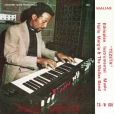
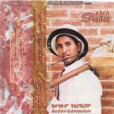
It’s a one-man-band evocation of the traditional accordion sound of his youth, adding a Moog, Rhodes and beat box. Light and fleet-footed, but questing and utterly heartfelt.
Switched-on Ethiopiques, refreshing and lovely as anything. No doubt insufficiently solemn and inauthentically-authentic for World Music plod, but hotly recommended by us.
A thought-provoking, deeply enjoyable consideration of displacement and dislocation, and abiding but adaptive cultural memory, this fourth collaboration mashes expert, haunting samples of the classical Iranian pop of greats like Andy, Hayedeh, and Fereydoun Farrokhzad into tough, quick-fire beat-downs.
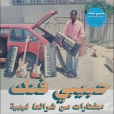
A mix of overlooked gems and local boomshots from the cassette tape scene in Libya, during the late 80s to early 2000, when independent artists relied on makeshift home studios or travelled abroad to record in Tunisia and Egypt. A judicious mash-up of boundary-pushing sounds which reflects this precariousness and nascency; also the political and cultural crossroads at which Libya found itself. North African rhythms meet Arab melodies and deep African roots. Disco and house run into gritty pop. Reggae courses through, with an unmistakable Libyan twist — not just musically, in the slowed-down cadence of traditional shaabi beats, but also culturally, taking to heart its outernational message of proud, defiant self-awareness.
Assembled by Habibi Funk with personality and love, as per; with a 32-page booklet. Another winner.
Last few box sets!
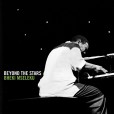
An electrifying, previously unreleased studio album, recorded in 2003, this stunning solo piano suite condenses Mseleku’s visionary overstanding of South African music into a flowing, pulsing statement in six parts. With jazzwise echoes of marabi, amahubo, maskanda and Nguni song forms binding it to the deep music of Mseleku’s Zulu heritage, Beyond The Stars provides what Blue Note recording artist Nduduzo Makhathini describes in his liner notes as ‘a divine summary’ of Bheki’s life story: ‘a sonic pilgrimage from the beautiful and organic landscapes of Durban, to the vibrant energy of London and ultimately toward the inner dimensions of one’s being.’
A magnificent start by new label Tapestry Works.