

Your basket is empty

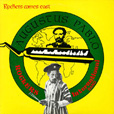
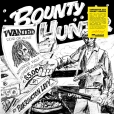
Classy digi dub from 1987 — the living, but chilled and de-populated Pablo sound-world — with killer dillers like Raggamuffin Year and Seven Seals on the desk.
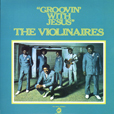
A Gene Barge production from 1967, with a winning mixture of rocking gospel funk and spiritualized ballads. A nice version of Buddy Miles’ We Got To Live Together.
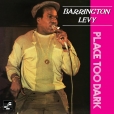
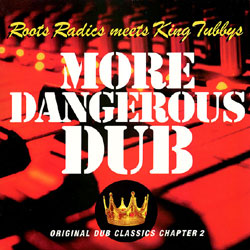
Prime, early-eighties Barrington, expertly fronting chunky Radics on rhythms like The Russians Are Coming and Get In The Groove, in Scientist mixes. No losing with those cards.
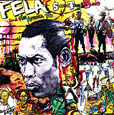
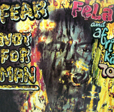
‘Them leave sorrow, tears and blood, Them regular trademark… My people self dey fear too much, We fear for the thing we no see… We fear to fight for freedom.’
Magnificent defiance from 1977.
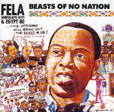
‘Another underground spiritual’, as the opening puts it, about Botha and apartheid,and supporters like Thatcher, Reagan and the Dis-United Nations. (‘One veto vote is equal to 92 or more, or more’).
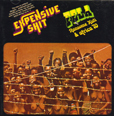
In 1974 the police raided Fela’s commune. Looking for dope, they threatened to pump his stomach.
Interpol head: ‘I’ll talk to you in my office.’
Fela: ‘You get office? You foolish, stupid bastard, you goat…’
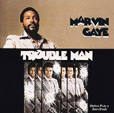
Coming between What’s Going On and Let’s Get It On, this 1972 soundtrack is a bonafide masterpiece.
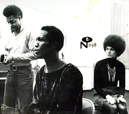
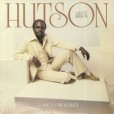
Feeling, folkey soul from 1977, with Skull Snaps and Jimmy Castor crew.
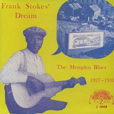
Stokes, Memphis Minnie, Furry Lewis, Gus Cannon and co. 180g, well-pressed.
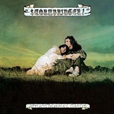
The classic 1970 debut with Beverley Martyn. Rehearsed in Woodstock, with Levon Helm guesting on a couple, Joe Boyd producing. Lovely.
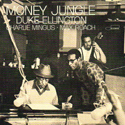
This is terrific. The Duke totally fronts up; Mingus is dazzling. Les Fleurs Africaines is one for the desert island.
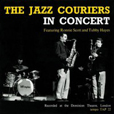
Featuring Ronnie Scott and Tubby Hayes, from 1958.
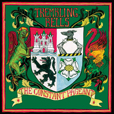
‘New levels of excellence… a poetic incantation of British identity far brighter than Michael Gove’s proposed GCSE history syllabus *****’ (The Sunday Times). ‘Magnificent ****’ (The Guardian).