

Your basket is empty

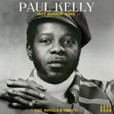
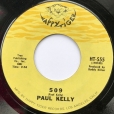
All Buddy Killen’s productions for the Lloyd, Dial, Philips and Happy Tiger labels, between 1965-71. Some great dancers… but Kelly’s slow, Southern soul is just killer.
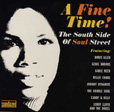
Deep soul from the Minaret label, out of Florida, with an early Candi Staton, and the great Doris Allen.
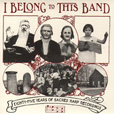
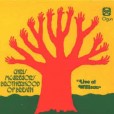
Mass, full-voice singing from the rural South of the US. A stirring, tearful, ancient, strange, kind of Gospel. Ornette called it ‘breath music. They’re changing the sound with their emotions.’
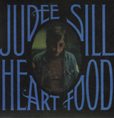
Beautiful, early-seventies, singer-songwriter, orchestral, countrified pop. The challenges of this second album put her back on heroin: it was her last.
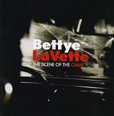
The soul legend, backed by Drive-By Truckers and Spooner Oldham.
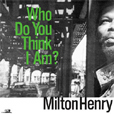
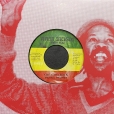
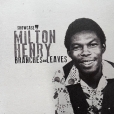
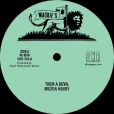
Milton Henry’s handful of classics — like his version of Gypsy Woman, or This World and Follow Fashion over the Upsetter’s Fever rhythm (under the handle King Medious) — made him a natural Wackies’ recruit.
Soon after moving from JA to NYC in the late seventies, Milton was fully involved in the day to day business of the operation, supervising sales and promotion, making deliveries, even holding spare keys to the studio for whenever Bullwackies himself was away.
He appears in this activist role on the front-sleeve photograph, just up White Plains Road from the Bronx HQ: by its title, though, and first and last songs, this album also hints heavily at the past musical accomplishments of its mystery hero.
The record was released first in London, in 1984, during the first months of Wackies Dean Street office, in north Soho.
The band is basically Itopia. Sly Dunbar gets a credit — though neither he nor Robbie Shakespeare ever set foot in the studio — as acknowledgement for his rhythm recycled here as No Dreams. Jackie Mittoo and Bagga are pon the corner, from Studio One; Jerry Johnson and Neville Anderson on brass; also Sugar and Max Romeo; and Sonia from the Love Joys performs a duet.
No Dreams is the true story of Milton sleeping in the attic above the studio when the rough drum and bass track came on to the desk, waking him, pulling him to the mic; Them A Devil is aimed at certain producers passing off the singer’s property as their own; Good Old Days was written for a poorly Junior Byles, remembering times shared.
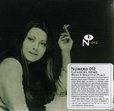
Out originally in 1970 on the Reflection label, the debut of Catherine Howe (from Halifax) — ‘a pastoral blend of English countryside folk and London orchestral pop, not unlike Nick Drake… or Bridget St. John.’