
Your basket is empty

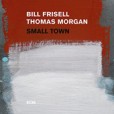
Gibson semi-acoustic and double-bass duets — a Fats Domino, a Konitz and a Motian, various originals, Goldfinger, Carter Family Americana — recorded live at the Village Vanguard in 2016.
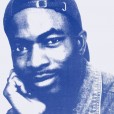
Originally self-released in 1993 by Peter Mekwunye as a small-run cassette, soon after his arrival in the US from Nigeria. Moody, personal, moving, freeform afro-pop, or DIY soul, using just a Casio keyboard and a microphone, with a rawly naked message of love, struggle, spirituality and hope, ‘dedicated to all Nigerians all over the world, and to all freedom fighters around the world.’ Strange — a bit like eavesdropping on someone talking to himself — and warmly recommended.
We got these from Mississippi.
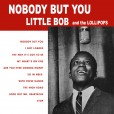
‘Classic Louisiana swamp soul / R&B, recorded in the early to mid 1960s. Includes the popular dancefloor fillers I Got Loaded and Stop, as well as some real beautiful obscurities. Ballads and stompers to make life better. Old school tip-on cover.’
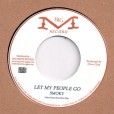
The dub is tough, funky drum-and-bass business, with stiff shots of guitar and brass.

‘Further adventures in Organic Electronic Music by this rigorous magician of vaporous, oscillating patterns, sidereal frequencies, nebulous dust; explorer of inter-zonal paths, new dreamlike dimensions, undiscovered planets. Marrying the momentum of Kraut-Kosmische with a personal, gentle minimalism, DSR Lines specialises in rare atmospheres of rhythmic pulsation, with enveloping, spiralling sounds, luminous and radiant in their hypnotic aura, or magnificently ecstatic and ascending.’

Originally released in 1975, from Milan, a one-away blend of Marco Rossi’s bluesy, free, spiritual jazz-guitar (evoking Pharaoh Sanders and Alice Coltrane); middle-eastern winds; and the masterful African percussionists Nick Eyok and Mohammed El Targhi, ranging from northern Saharan to Yoruba styles. Experimental, but warmly grooving, rootsy and accessible.
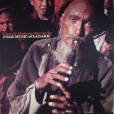
Precious witness to the dying musical traditions of Ladakh, high in the Western Himalayas, for centuries a hub of the Silk Road to India, Tibet, and Kashmir.

Superb disco boogie. A deeply soulful song, expertly sung. Killer, bare-bones break-downs, soaring strings, resplendent horns, with composers McFadden and Whitehead rocking the controls.
Plus an unmissable version of Curtis’ Make Me Believe In You! Fabulous, epic, Van McCoy drama, with a meaner Melba, thumping bass, and stomping kick-drum.
Deep, mesmerizing, outer-spaceways jazz, with deft, dubwise dashes of electronics.
Check the grooving Messimalism — with its titular statement of intent, to keep things minimal but not sanitised or tidy — featuring trombone by Arthur Russell collaborator Peter Zummo; and the beautiful, oneiric, side-long Pathways To Presence, with tabla by Sarathy Korwar.