

Your basket is empty

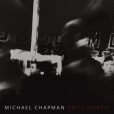
‘Committed to tape on February 20, 1979… a real declaration of identity for Loren. He was introducing himself publicly as a guitar player, although his approach was still very much dictated by the influence of the painter, Mark Rothko, who Loren once described as using a minimal palette to create vital art… The feel to this session is bluesy, in as much as Loren’s wordless vocals have a surface similarity to a hellhound’s, and while he was not using a slide, most of the notes he plays are bent to the edges of their known range. Fahey always said blues was ‘about’ anger, though there’s not really any of that here. I am more reminded of this Rothko quote. ‘You’ve got sadness in you, I’ve got sadness in me ... and my works of art are places where the two sadnesses can meet, and therefore both of us need to feel less sad.’ The first side is solo. On the second Loren is joined for a bit by Kath on hums and recorder. The music brims with sorrow more than anything else. And while it’s clear Loren was embracing an abstract avant garde aesthetic vis-a-vis his playing, the urge to communicate seems to lie at its roots. Whatever you choose to call it, this is the beginning of something quite beautiful’ (Byron Coley).
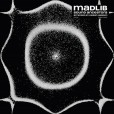
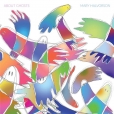
Arranged By Kieran Hebden.
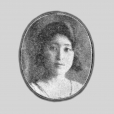
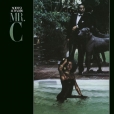
Haunting, ravishing blends of western art song, blues and jazz with traditional and classical Japanese music. Wonderful.
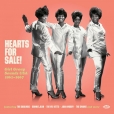
‘This fifth LP in the series opens with a banger: Street Dance by Bonnie Jean, in the style of Shirley Ellis’ The Nitty Gritty, with Darlene Love & The Blossoms clearly audible on background vocals. The Hollywood-based Doré imprint is also the source of You Really Never Know Till It’s Over by The Vel-Vetts, One Way Street by The Swans, a soulful update of The Teddy Bears’ To Know Him Is To Love Him by the Darlings, and He’s Groovy — featuring lead vocals by Sheilah Page, formerly of groups such as the Bermudas, Becky & The Lollipops, The Majorettes, Joanne & the Triangles and Beverly & the Motor Scooters — by The Front Page & Her.
‘Other highlights include The Sweethearts’ Supremes-influenced No More Tears, the sophisticated slowie Lonely Girl by The Lovettes (that’s them on the front sleeve), My Heart Tells Me So by The Del-Phis (an early incarnation of Martha & The Vandellas), Brenda Holloway’s lovely pre-Motown Constant Love, and the Fran-Cettes’ terrific interpretation of Heart For Sale.’
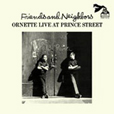
This is a jubilant, uplifting romp.
Recorded in 1970 at his large loft space in downtown New York, with Ornette playing trumpet and violin as well as saxophone, alongside Dewey Redman, Ed Blackwell, and Charlie Haden (and friends and neighbours sometimes singing along).
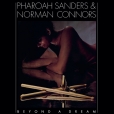
Five lovely tunes — pure OC blues — featuring terrific alto-playing, and Blackwell in a funkily rambunctious party mood.
‘From 1972, the third and last album by this group formed in Johannesburg’s Alexandra township in 1968, announcing a shift away from early Memphis soul influences towards a pioneering African-driven jazz sound, and laying the foundations for the afro-fusion scene spearheaded by groups like Batsumi, The Drive, and Harari.
‘Black Soul features a who’s who of musicians from great South African bands over the decades: Zacks Nkosi, the renowned bandleader of the Jazz Maniacs and long-time member of the African Swingsters in the 1940s and 50s; kwela star Little Kid Lex Hendricks, known for his Columbia recordings of the late 1950s; Zack’s son Jabu Nkosi, who would go on to play with The Drive, Roots and Sakhile; and Banza Kgasoane later a member of The Beaters, Harari, and then Mango Groove.’
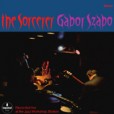
‘Verve By Request.’
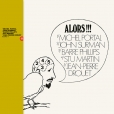
The illustrious clarinettist alongside John Surman, Barre Phillips, Stu Martin, and Jean-Pierre Drouet, in 1970. Iconic Futura cover-art by Avoine.
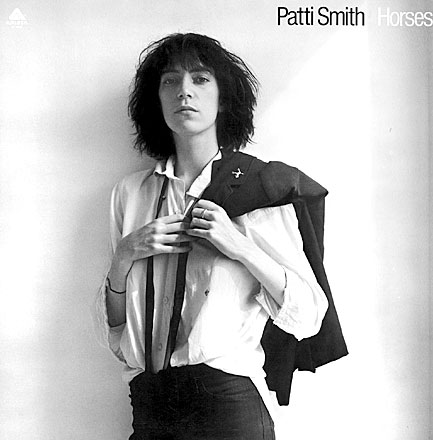
Remastered direct from the original master tapes, with previously unreleased outtakes and rarities — including Patti’s 1975 RCA audition tape.