




Your basket is empty

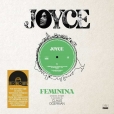
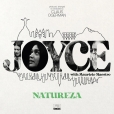
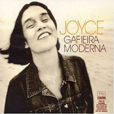
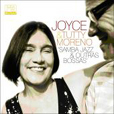
The first time out for this buried treasure recorded in 1977 at Columbia Studios in New York with Claus Ogerman.
Featuring fellow Brazilians Mauricio Maestro, Nana Vasconcelos and Tutty Moreno, and in-demand statesiders including Michael Brecker, Joe Farrell and Buster Williams, it kicks off with a sensational eleven-minute version of her anthemic Feminina. Check out Descompassadamente, too. Lovely stuff.
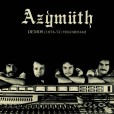
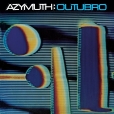
‘On every track the frenetic energy in the studio is palpable, giving the recordings a beautifully personal feel and a sense of the phenomenally creative vision Bertrami, Malheiros and Conti were realising at the time. Fifty years on, Azymuth’s earliest recorded music retains an ineffable, futuristic quality, standing amongst their most captivating and moving work.’
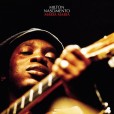
Music for a ballet telling the life of of a daughter of a black slave, recorded in 1974 by the likes of Nana Vasconcelos, Joao Donato, Paulinho Jobim, and members of Som Imaginario; and containing the definitive versions of some of MN’s most iconic songs, including Os Escravos De Jó and Maria Maria.
‘Sheer beauty’ (The Guardian). ‘You don’t need to understand a word to realise that this is awesome music’ (Time Out).
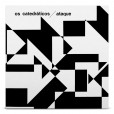
Eumir Deodato and his group Os Catedráticos.
‘The magical, hazy sound of sixties Rio, with monster samba grooves, scorching organ solos and big brass arrangements (featuring trombonist Edson Maciel); all buoyed by the hip rhythms of drummer Wilson Das Neves and Ruebens Bassini on percussion. Besides Deodato’s own, there are compositions by Marcos Valle, Baden Powell and Luiz Bonfa.’
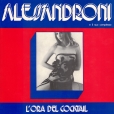
‘Renowned for his work on iconic Spaghetti Western scores with Ennio Morricone, and his groundbreaking contributions to library music, Alessandroni lavishes his other-worldly genius on this wonderful cocktail of an album, blending jazz, bossa and lounge, garnished with his signature wordless vocal arrangements and lush instrumentation. Featuring his remarkable talent on guitar, piano, and mandolincello, this album paints a vibrant portrait of 1970s cosmopolitan cool.’

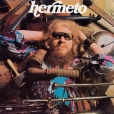
The genre-slaying, polyharmonic, polyrhythmic ‘universal music’ of Hermeto Pascoal and his bassist Itibere Zwarg, performed in 2001 by a workshop comprising twenty-nine of Rio de Janeiro’s most exceptional young musicians.
An overlooked masterpiece amongst recent Brazilian recordings: invigorating and marvellous; warmly recommended.
We ship worldwide. The postage rates for your order are displayed before payment, which is processed using Paypal. You can pay using your Paypal account or any of the following cards. No need to join Paypal.
