





Your basket is empty


Bombay S Jayashri
Shravanam
Time Capsule
Transportingly sublime, dazzlingly virtuosic Carnatic chanting in Sanskrit about female divinity, accompanied by mridangam drums, bells and tambura drone. Beautifully recorded, in Chennai. The chorus singing is the coup de grace.
Ravishing, restorative music; hotly recommended.

Lovely, rootsy, melancholic, multifarious music from Angola. Check the sublime, chugging proto-house of Kazum-zum-zum, to start, with its twist of Afrobeat; then the hypnotic Fourth World marimba of Kizomba Kya Kisanji; then the expressive soul of Dembita, flowering out of Baden Powell… Warmly recommended.
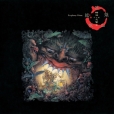
‘One of the most innovative and ambitious albums ever made; a sonic masterpiece featuring over two hundred musicians, which expanded the limits of music and sound, channeling Ōhashi’s thinking about mankind’s relationship with nature, and fundamental questions of life, death and rebirth… Pipe organ synths made from sampled Tibetan horns sit alongside field recordings from Central African forests, Buddhist mantras circle dummy head microphones, Javanese Jegog percussion ensembles pulse like verdant ecosystems, and the acoustics of temples, caves and landscapes are conveyed in the mix. Weaving together culture, nature and technology, it is a record that vibrates with the polyphony of life on Earth… But Ecophony Rinne was not only musically innovative. Noticing the difference between vinyl and CD versions of the album where digital reproduction limited the sound, Ōhashi developed a theory of Hypersonic Effect, determining that ultra-high frequencies above 20khz can impact human perception even if they are inaudible. At once a physical and a psychological experience, to listen to Ecophony Rinne is to feel music differently.’
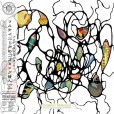
Creole poetry, rootical mysticism and heavy-grooving synths illuminate this survey of the Martiniquan’s first four albums, recorded in France in the late seventies and early nineties, but inspired by the ‘smells and colours… subliminal noises… fruity notes, the memories of funeral wakes, the bombastic organ of the cathedral and the gasps of the drums’ of home.
‘Midonet’s musical world is cosmic, mystical and he has created his own idiosyncratic style around it: not plain folk, not bélé, chouval bwa, beguine or gwoka, but rather a transcendental fusion of all these and a true reflection of his personality.’
We ship worldwide. The postage rates for your order are displayed before payment, which is processed using Paypal. You can pay using your Paypal account or any of the following cards. No need to join Paypal.
