
Your basket is empty

Honest Jon's has enrolled with the European Union 'Import One-Stop Shop'. For EU customers, this means that you will not be charged any additional VAT or duty, nor any handling fees. No further costs.
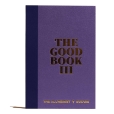
LP fresh in.
Fifty-six fearless forays deep into the consecrated crates.
ALC does what he does best, with Roc Marciano rocking the pulpit; Budgie wheels back to the UK scene, dazzlingly rallying Knucks, Novelist, JayaHadADream, Joe James, Ragz Originale, Natanya, Qendresa, and full crew.
The CD version is resplendently dressed like a Bible, with foil debossing, the full monty. The cassette artwork debuts Gospexploitation. Lovely stuff.
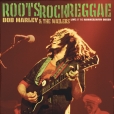
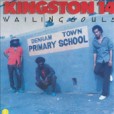
‘Previously unreleased recordings made over several nights of the Wailers’ West London residency in June 1976, during their Rastaman Vibration tour. Highlights include a transcendent version of Roots, Rock, Reggae, a rarely-performed Bend Down Low, an extended version of Crazy Baldhead, and a thirty-minute encore that incorporates a twelve-minute Get Up, Stand Up.’
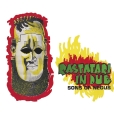
A four-tracker nodding to the Revolutionaries’ late-seventies instrumental EPs out of Maxfield Avenue.
A double whammy of knockout dubs.
First, a head-turning brace for all darker-than-blue massive. A down-to-the-bone version of Pam Hall’s haunted Lovers take on The Stylistics’ Children of the Night; and the startling dub of Junior Moore’s lovely cover of The Isley Brothers’ Voyage to Atlantis. In both the scraps of singing are deadly.
Then two evilous dubs of classic Hopeton Lewis roots, saturated in classic Channel One hard-grooving intensity. Like the opener, never released before now.
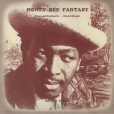
Keith cut some sides for JA producers in the early ‘70s, before moving to New York. In the first half of the ‘80s, his Lovebird label released mostly his own productions, like Honey Bee Fantasy… slow-burning, mid-eighties boogie, nervy with a delicious outsider wrongness. None other than Charles Earland plays keys; Canadian singer Ann Marie handles backing vocals.
AM bounces back on the PM, fronting the first incarnation of the Roots Radics, including Blacka and Bingy Bunny from the Morwells. Sweetly fragile, tentative singing over a dreadnought rhythm.
Painstakingly sleeved as per the original.
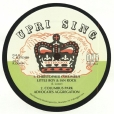
Gorgeous roots. Seemingly sardonic and above-it-all but utterly trenchant. All the singing is sublime, including the back-up. The gentle nyabinghi percussion and keyboard stabs are beautifully restrained, as Sylvan Morris brings his genius to the mix. Same dub as the original 45. A stone classic. We could listen for days.
Plus the 12 Tribes launch a two-headed-shark attack on the flip, featuring maestro Pablove Black. No less than an instrumental cut to George Beaufort’s insurgent Reaching Our Goal, and a sick synth excursion on the revered Black Star Liner rhythm.
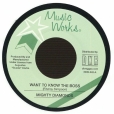
Class-conscious, early-eighties Diamonds from the same little red book as Bodyguard. Determinedly defiant, with an edge of menace. Tight, textbook Gussie’s; your-time’s-up horns; masterful, stripped and detailed dub. Ace.
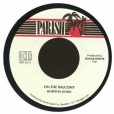
Dead moody Lovers. A worrisomely loose, rumbling, mid-eighties Channel One rhythm, seamed with a squashed steel-drum sample, unfurled like spells.
‘Everything will be alright,’ sings Hopeton about his prospective date, but it doesn’t sound like it.
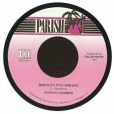
A perfect nugget of vintage digi. Chambers’ expert sing-jaying snags your attention — an inner city blues, with premonitions of ICE — over a tight, buoyant rhythm. Paired with its tough dub, for the first time.
Over to Digikiller…
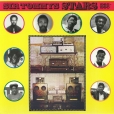
‘Howard ‘Sir Tommy’ Mapp is one of the original guard of New York sound men, playing sound system since 1974. Around a decade after that, he began producing for his newly formed label of the same name. Later in the 1990s he established his own studio, which became a hub of the city’s dancehall scene. In true independent fashion, Tommy covered nearly every aspect of the reggae business himself, like Wackie’s, Jah Life and Philip Smart. We’re proud to finally present the first reissue of the early gems in Tommy’s catalogue and make some more classic New York reggae accessible again. So what better to start with than a new compilation, 100% heaters, culled from long unavailable singles and albums. We cannot recommend this record enough, as Tommy’s early production output mainly falls in two of our most beloved categories — the mid ‘80s sound of Channel 1 as played by the Gifted Roots Band, and the late ‘80s early digital sound. This LP is packed with prime cuts of just such music. Absolutely essential stuff for 1980s reggae heads.’
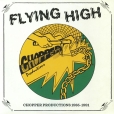
‘Our long overdue return to the Chopper label, which we first reissued way back in 2010. This twelve song LP corrals all our favourites we haven’t previously revived. A mix of early ‘80s style live rhythms laid at Channel 1 and some great classical late ‘80s digital style. Lionel Barrett was the original and perhaps the core artist of the Chopper stable, and is featured heavily here. A few of his tracks as well as a couple of others here are now issued on vinyl for the first time. The remaining are retrieved from long out of press albums and singles. A great overview of a prolific JA-NYC label from dancehall’s best era.’
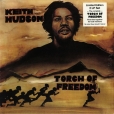
The original JA mix, and Sid Bucknor’s UK remix for the Atra label, just down the road from us in West London. From 1975, twixt Flesh Of My Skin and Brand. Chinna and the Soul Syndicate, the Barrett brothers, Candi McKenzie… Rawly, uncomfortably compelling; discombobulating and moody as hell.
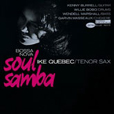
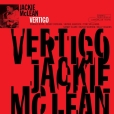
His swansong, in 1962, setting his warmly bluesy, swooping beseechments within the new jazz bossa sound. With Willie Bobo on drums. Kenny Burrell is superb.
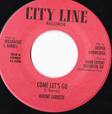
Ace, loose, mystical roots, with slacky-tidy guitar, and Jarrett pouring himself into the mic. Plus a thumping dub led by saxophonist Jerry Johnson.
We ship worldwide. The postage rates for your order are displayed before payment, which is processed using Paypal. You can pay using your Paypal account or any of the following cards. No need to join Paypal.
