Your basket is empty

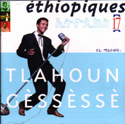
For Ethiopians, their greatest singer of all time; with music arranged by Mulatu Astatqe for the Army Band, the Exhibition Band, the Police Orchestra, the Bodyguard Band.
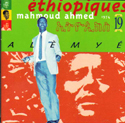
Alemye, from 1974.
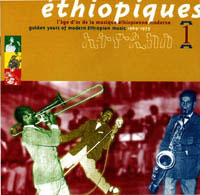
Music from the Amha label run by Amha Ashete, driving force of modern Ethiopian music.
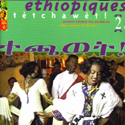
The azmaris were originally wandering minstrels, roaming the Abyssinian countryside. These varied snapshots of the musical life of Addis Ababa in the 1990s are offered as a kind of homage to them.
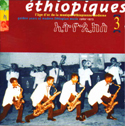
Sublimely tilted like Sun Ra, rocking like James Brown at the Apollo, the tracks here by police bands are a reminder that Ethiopia at the time had no independent modern groups.
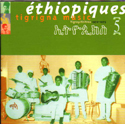
The music of Tigray and Eritrea — where the majorities speak the Tigrigna language — is rhythmically and melodically different from Ethiopian music.
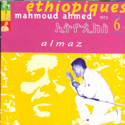
His first LP, Almaz, originally released in 1973.
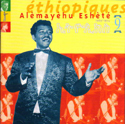
Frantic rock and heartrending ballads from this showman with the Little Richard pompadour.
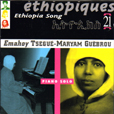
Unmissable, wonderful solo piano. Chopin, Tatum, Satie and company, steeped in the Ethiopian sound.
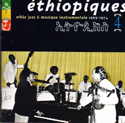
Presenting the musical giant, keyboardist Mulatu Astake — that’s him on the sleeve with Duke Ellington.
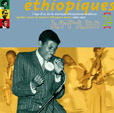
Like volumes one and three, drawing on the legendary Amha Records catalogue, with several newcomers to this fantastic series, and a couple of very early Mulatus. You know what to do.
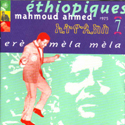
Collects Ahmed’s 1975 recordings for the Kaifa label, including the LP Ere Mela Mela released in Europe by Crammed Discs, back in 1986.
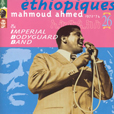
The great singer in rambunctious, rootsy and jazzy recordings from 1972-4.
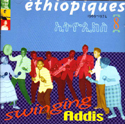
Soul, rhythm and blues, even the Twist re-articulated in Addis Ababa.
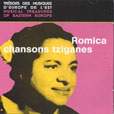
The spell-binding Romanian gypsy singer, accompanied by cembalo, violin and accordion.
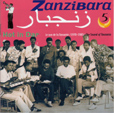
Cream-of-the-crop, fabulous, firing dance music from Dar es-Salaam, rocking between shimmering, swinging guitars and delirious, riffing horns. Check the rest of the series, especially Volume 2.
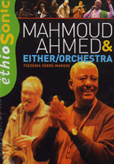
The great man meeting up with the American big-band, the Either/Orchestra — rehearsals, interviews, and finally a joint performance at the 2006 Banlieues Bleues Festival.
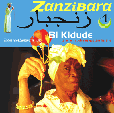
‘Little Thing’ began her singing career in the 1920s. This spans the last twenty years, with illustrious ensembles like the Culture Music Club and the Zanzibar Taarab All Stars.
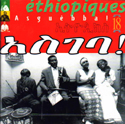
The sequel to Volume 2 in this series, and featuring many of the same singers, accompanied by the messenqo (one-string fiddle), the krar lyre, the kebero drum and the accordion.
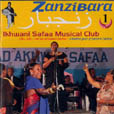
Swahili music from the eastern coast of Africa — Lamu, Mombasa, Tanga, Dar es Salaam, Zanzibar and the Comoros. Archival in amongst contemporary recordings.
Spicy, deep, sensual Arab, Black and Asian styles, lipsmackingly mixed together in classic Taarab — when electric guitars, bass guitars, organs and kit drums kicked orchestral instruments out of bed.