The Tenderness Trio was sisters Jussara and Jurema Silva, and their brother Robson.
From 1973, A Gira is dedicated to nature, spirituality and mindfulness, by way of a tribute to a Candomblé deity, with mesmerizing polyrhythms from the start, soaring vocals and beautiful playing. As the sisters put it — “It has the dancing, the expression, the lyrics and musical relaxation. Something very Brazilian.”
B/w a surprise version of Gato Barbieri’s Last Tango In Paris.
Ace.
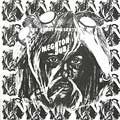
This compilation of the best of Gil Scott-Heron’s Flying Dutchman output was originally released in 1974, pulling together tracks from his first three albums: Small Talk At 125th And Lennox (1970), Pieces Of A Man (1971), and Free Will (1972).
This very welcome LP reissue is a top-notch pressing, resplendent in the original gatefold sleeve.
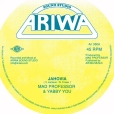
A heavyweight, Upsetters-flavoured, rockers re-lick of the Duke Reid classic; with the Soul Syndicate tripping out on Java, on the flip.
‘Battle of Cannae is a dubby roller filled with crisp percussion and meditative warmth. Next up, Battle of Carrhae is a deep 120bpm bass groover with detailed percussion and rich textures that tie the first side together beautifully. On the flip, Stolen Land, a collaboration with Melbourne heavyweight Pugilist, takes things into club territory. Spacious, weighty and rhythmically twisted, filled with polyrhythmic grooves, a few wubs, and gritty percussive drive. Strap in. To close, Battle of Edessa pushes the tempo to 160bpm — a sharp, hypnotic finisher that shows why Big Hands continues to stand out as one of the most exciting producers doing it right now.’
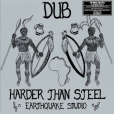
Leroy Brown’s killer detournement of Bobby Bland’s classic Ain’t No Love In The Heart Of The City, plus Clint Eastwood’s storming deejay excursion.
It’s a shame there’s no room for the stunning dub on the original Stagesound release of the Clint, but you can’t have everything.
It’s a must.
‘Pure pleasure is what it is,’ writes Byron Coley. ‘This was probably the first time Hurley brought his band out of the hills. Guitar, bass, drums, piano and trumpet, all of them beautifully in sync and swinging like the rural hippie boogie band they were — tested by long nights in halls filled with rowdy snowmobilers and the women who love them. Hurley & the Redbirds were more than ready to bowl over the city slickers who filled Folk City this hot mid-summer evening. Snock’s voice is limber and strong, flipping easily into falsetto and yodels, and the music is faultless. Something like the Platonic ideal of what ‘bar rock’ can be. They only do one tune from Have Moicy!, but nobody could have minded. The music rolls out like the sweetest-ever guzzle of maple syrup laced with Mello Corn Whiskey. So loaded, so powerful, you’re likely to shit the bed if you listen lying down.’
Recorded in NYC in 1976.
From 1964, a fresh, invigorating, up-for-it, personal take on happening US jazz — Coltrane in particular — blending in themes from Polish folk music. Try the rollicking Piatawka, with its evocation of highlander bagpipes. Scorcher!
Multi-instrumentalist Namyslowski was an alumnus of Krystof Komeda’s ground-breaking quintet. In the early sixties, he formed the Jazz Rockers with Micha Urbaniak, and in 1962 both joined The Wreckers, playing the Newport Jazz Festival. In 1964 his own Modern Jazz Quartet toured throughout England, Scotland, and Wales. “We had songs like Piatawka in the programme, inspired by Polish mountain folklore… These were the forms that had never been heard there before… Not only was I a musician from behind the ‘Iron Curtain’, but it also turned out that this musician had his own voice and showed something innovatory.”
Pianist Wlodzimierz Gulgowski plays a blinder, too; nodding to both Chopin and Mal Waldron. (A decade later he hooked up with Urbaniak, for the LPs Fusion III and Funk Factory.)
Lola was recorded in London; produced by Mike Vernon, who founded the Blue Horizon label, and produced Fleetwood Mac and David Bowie, amongst others. For the cover shot, Decca commissioned the same photographer as for the first Rolling Stones LP, to follow suit. “We are in the same sweaters from Marks & Spencers, only each in a different colour.”
From 1974, featuring knockout rare groove like I Don’t Need Nobody Else and What Do You Want Me To Do.
Limber, feeling and introspective, with full horns and strings setting fine songs and frankly soulful singing.
Lou came through in Detroit as a writer and producer with Barbara Lewis, before signing in his own right to Epic, via the Rags label run by legendary producer Jerry Ragovoy. Hereafter he was briefly a member of The Fifth Dimension.
One of the greatest of all modern soul albums.
A gorgeous reissue of his first LP, from 1957; with Curtis Fuller, Hugh Lawson, Ernie Farrow, Louis Hayes, and Doug Watkins. Beefy, alive, and exploratory, with Lateef’s Eastern trajectory flagged already, in the thrilling argol introduction to the opener, Metaphor. On the flip, Morning is ravishing, unmissable Lateef.
In its full-length glory, from the great man’s 1980 LP Journey To The One; plus his version of the Marvin Gaye classic, from his 1978 LP Love Will Find A Way, with Norman Connors.
Both recordings luxuriating on 12” for the first time.
‘Classic Vinyl Series.’