Your basket is empty

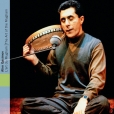
Intense, virtuosic singing in this ancient tradition, accompanied by Qasimov himself playing the daf frame drum and the brothers Mansurov on the tar lute and kamancha fiddle.
‘Simply one of the greatest singers alive, with a searing spontaneity that conjures passion and devotion, contemplation and incantation’ (New York Times).
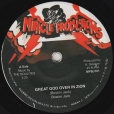
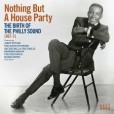
Killer, rugged, deep, seventies roots.
B/w a mento-style sufferers, originally released on Ackie in 1969.
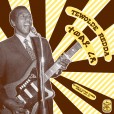
Drawn from his six monumental singles for the Philips, Amha and Yared labels between 1970-73, revolutionising traditional Eritrean music via the innovations of amplified kirar, electric guitar and horns. Thick, deep declarations and considerations of love over a mixture of sombre and joyous tunes (with the hand-clapped beat often shifting into double-time near the end).
Co-released with Mitmitta Musika in Addis Ababa; handsomely presented in a tip-on sleeve, with extensive liner notes, translations and exclusive photos.
Fab.
Choice sides from the recent LP reissue.
Something really special.
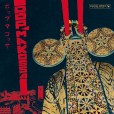
Juddering bangers and hypnotic body-rockers, dazed spells and rootical wig-outs spun from early Detroit techno, West African field recordings, soundboy dub and beatbox hip hop; rough as fuck and clatteringly percussive, but shot through with a gritty numinousness. Stokey worries.
Gorgeously sleeved in midnight-black art-paper, intricately printed in silver with the visionary photography of Katrin Koenning, folded by hand and packed into Japanese cellophane envelopes.
Very warmly recommended, unsurprisingly.
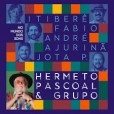
‘Eighteen dedications, each hybrid and different, but driven by an utterly personal approach to bebop, Brazilian jazz, Africa and Brazilian roots; thronged with his signature battery of whistles, screams, scales, keyboard, kettles, spoons, squeeze toys, children’s voices, prepared piano and geese calls; with the band adding native instruments like pandeiro, surdo, caixa, apitos, bonecos and agogos, besides saxophones, flute, electric piano, electric bass and so on. Musicians and genres such as Terry Riley, Frank Zappa and Weather Report, Javanese gamelan and Indonesian kulintang come to mind, but there is no real overlap: Pascoal has his own special brew.’
His first recording with his band in fifteen years. “My music is not commercial; it’s not like selling bananas or soap. I’m not in a hurry to record.”
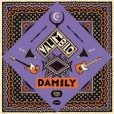
Bilo is a kind of depression; the valimbilo is the person who helps you through it.
The cure for bilo is music. The patient sits opposite the players, who hone in on the sickness, which must be awakened, seduced and ambushed from every angle by sound, till breaking point. Once the bilo is overcome with the music, the patient recovers, and the ceremony ends.
Another walloping dose of Tsapiky music from Madagascar.
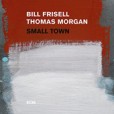
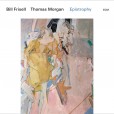
Gibson semi-acoustic and double-bass duets — a Fats Domino, a Konitz and a Motian, various originals, Goldfinger, Carter Family Americana — recorded live at the Village Vanguard in 2016.
The dub is tough, funky drum-and-bass business, with stiff shots of guitar and brass.

Originally released in 1975, from Milan, a one-away blend of Marco Rossi’s bluesy, free, spiritual jazz-guitar (evoking Pharaoh Sanders and Alice Coltrane); middle-eastern winds; and the masterful African percussionists Nick Eyok and Mohammed El Targhi, ranging from northern Saharan to Yoruba styles. Experimental, but warmly grooving, rootsy and accessible.