
Your basket is empty


An excellent Echo Minott LP for Jammys in 1981. Sly and Robbie, Deadly Headley, Winston Wright and co. The opener is a killer next take of the awesome Open The Gate Bobby Boy rhythm.
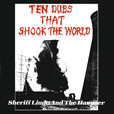
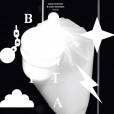
Anthony Maher’s 1988 dub album, an Australian commingling of JA science and UK post-punk and Industrial.

Triumphantly reviving all-time-classic Jammy’s. Proper dub, too.
JB is the name the deejay Trinity uses when he sings. Here he is, nailing a sombre, mid-tempo bubbler for Sly and Robbie; alongside General Lee, laid-back and entertaining on Unmetered Taxi. Classic, rootical, early-nineties rubadub.
Buoyant anthem to ghetto people boutiques.
You can get anything on Princess Street, ‘from a pin to an anchor… Just have some cash, and you will conquer.’ Not like Orange Street, which is always getting shut down by plod.
Transfixingly stone-faced dub, for all hard-core Channel One massive.
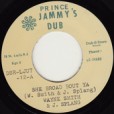
A kind of Dennis Brown / Studio One cut-up. Written by Junior Brammer and Jah Life, according to the label. Talk about taking it easy.
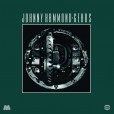
This Mizell Brothers production from 1975 is surely their masterwork. No hanging about on the grid — the sublime opener Tell Me What To Do flies like a Byrd; followed by the bonafide Loft classic Los Conquistadores Chocolates, a psychedelic, heads-down floor-filler which hit big at Ron Hardy’s Chicago Music Box as well as in NYC. Fantasy was a Paradise Garage staple; and Shifting Gears is here, too — a seriously funky breaks and block party anthem, heavily sampled by classic hip hop. It’s a must… not least in the form of this 40th anniversary LP edition, with six previously unissued tracks — five tasty new numbers and a skeletal version of ‘Can’t We Smile?’
Startling digi do-over of Yabby You’s great Jesus Dread rhythm, with a driving, tumping dub and sermonizing keys. Mis-credited to Phillip Fraser on the label.
Horatian worries on the wicked E20 rhythm.
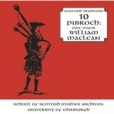
Awe-inspiring 1950s recordings by one of the greatest bagpipe players of the century… from the Isle of Mull.
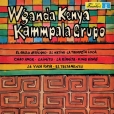
Killer Osibisa do-over.
‘Trammy’ was the nickname of trombonist Ron Wilson; but this is Vin Gordon.
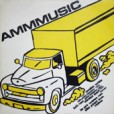
Cornerstone experimental music, from 1966.
‘Nostalgic testament to the interaction between the experimental avant-garde and the countercultural underground, the album was originally released on Elektra, recorded by Jac Holzman (the label’s founder, responsible for signing The Doors, Love, and The Stooges) and produced by DNA, a group that included Pink Floyd’s first manager, Peter Jenner (PF’s track Flaming is a tribute to the first side here)... Long tones sit next to abrasive thuds, the howl of uncontrolled feedback accompanies Cardew’s purposeful piano chords, radios beam in snatches of orchestral music… AMM sought to develop a collective sonic identity in which individual contributions could barely be discerned. Numerous auxiliary instruments and devices, including radios played by three members of the group, contribute to the sensation that the music is composed as a single monolithic object with multiple facets, rather than as an interaction between five distinct voices.’