






Your basket is empty

Honest Jon's has enrolled with the European Union 'Import One-Stop Shop'. For EU customers, this means that you will not be charged any additional VAT or duty, nor any handling fees. No further costs.

Upsetters
Black Board Jungle
Upsetters / Week-End
At last a worthy reissue of this awesome, monumental masterpiece from way back in late 1972.
Black Board Jungle rounds up masterful dubs of some of the deadliest Upsetters 45s of the preceding couple of years. It’s expertly selected, paced and shaped; not a stop-start compilation. It kicks off with an audacious, one-two knockout: a wildly creative, staggering version of the jaw-dropping Bucky Skank instrumental, followed by a call-the-undertaker, trombone-led, jazzbo rewind. The almighty Words Of My Mouth rhythm is here… Dreamland… Dub Organizer… Place Called Africa… Fever…
The dazzling genius of Lee Perry and King Tubby in full effect; no prisoners taken.
You might be thinking yeah but I’ve already got a copy of this… but the chances are it’s dubiously licensed, with pedestrian sound, and naff, incongruous artwork. Abjectly — not least for an album originally entitled Upsetters 14 Dub — it probably has just twelve tracks. The thumping, juddering dub of The Hurricanes’ killer You Can’t Run has gone walkies. Pure fire. Also a dub of Shenley Duffus’ smash-hit do-over of William Bell’s I Forgot to Be Your Lover… forgotten.
Be thankful for what you got, here they are, both duly restored.
This new iteration is classily presented, with debossed cover and lovely labels, and a substantial booklet. The clicks in the deposed Clocktower reissue are gone; the sound in general is less compressed, and markedly superior. The kitsch artwork is thrown out of class.
CALLING THE MEEK AND THE HUMBLE, WELCOME TO BLACKBOARD JUNGLE. SO DON’T YOU FUMBLE, GIVE YOUR CLOCKTOWER TO THE JUMBLE.
Or maybe you’re new to this album; in that case we’re dead envious.
Either way, do yourselves a no-brainer of a favour.
Hiss Is Bliss meets Murray Man.
‘Long spacious experimental techno that sits in the sweet spot between Hallucinator and Mark Fell.’
A four-tracker from NYC which nods both to clubbing and to Pauline Oliveros’ deep listening; steeped in fascination with vinyl and record shop lore.
‘Boring music, for curious people’, it says on the runout.
Exceptional. Check it out.

Funky highlife from Benin City, produced by the legendary Victor Uwaifo.
Hypnotic polyrhythms, reverb-soaked guitar and joyous call-and-response vocals luxuriate across two side-length medleys.
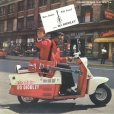
His raw, randy, uproarious 1959 masterpiece. Mumblin Guitar is total carnage.
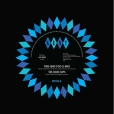
Killer record. Banging, complex Mardi Gras rhythms; mesmerising, in-your-face, call-and response vocals. Full-on New Orleans sister-funk.
Scorcher.

‘The Italian ambient maestro’s 1986 debut, remastered and restored for its 40th anniversary. A peerless infusion of minimal piano, free classical, and balearic new age, Wind is the aural equivalent of swimming alone at night. Housed in a tip-on jacket with the Bear In Heaven issue’s original iconography in reflective silver foil.’
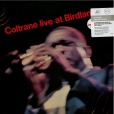
Downright essential; maybe our favourite of all his LPs.
It opens with a ravishing, buoyant version of Mongo Santamaria’s Afro Blue. Followed by a rawly soul-searching performance of the ballad I Want To Talk About You, with Trane pouring his heart out entirely solo for most of the second half. Hold tight.
Alabama is JC’s response to the Birmingham church bombing by white supremacists, just weeks earlier. ‘It is a striking piece of music,’ Ben Ratliff has written. ‘If anyone wants to begin to understand how Coltrane could inspire so much awe so quickly, the reason is probably inside Alabama. The incantational tumult he could raise in a long improvisation, the steel-trap knowledge of harmony, the writing—that’s all very impressive. But Alabama is also an accurate psychological portrait of a time, a complicated mood that nobody else could render so well.’
‘One of the most baffling things about America is that despite its essentially vile profile, so much beauty continues to exist here,’ observes the poet LeRoi Jones in his sleevenotes.

Cosmic, electronic, futuristic dabke, by the Casio and synths whiz behind Omar Souleyman’s sound.
‘Blending syncopated dabke rhythms with glittering electro melody and clattering drum programming… infectiously upbeat and frenetically joyful’ (The Guardian).
‘There are moments of dancefloor abandon on Beyond Shaabi but it contains multitudes. Fiddly high-end keyboard rhythms have always made for showstopping solos in Said’s hands, but on Choubi Kawniyya they work just as well as drones, too. Swampy and ominous. On the languid three-minute intro to Naba Kurdi the twiddly keyboards sound more like guitars being shredded in service of prog-rock euphoria, while Mawwal Al Ather sees rhythms eschewed altogether – fizzy synth-flutes betwixt vast steppes of reverb, its one big foggy drone collage.
‘An emphasis on swelling, shifting textures during slower moments instills proceedings with real character amid the floor-fillers. Some cuts here even feel like the Syrian iconoclast’s experimental take on dabke is having its IDM moment. A Selected Ambient workout, dance music but for the brain – headphones wedding music. As well as serving as a palette cleanser, this locked-in textural focus means that – when they do come – the pumping polyrhythmic bangers hit harder than ever before.
‘Beyond Shaabi’s experimentation is welcome, but reassuringly, the lifeblood of Rizan Said’s music remains the fantastic free-flowing stream of dance music. After its digi-prog wig-out intro, Naba Kurdi thunders into the same high-BPM territory occupied by Egyptian electroshaabi – screaming electronics and galloping percussion – while the seven sweaty minutes of Baladi Aajil don’t let up for a second. You feel like you’re dancing and prancing through dozens of different rooms, as Said cycles through an array of different voicings on his keyboard – truly breathless stuff’ (The Quietus).

Surely The Guardian is bang on: ‘The year’s best folk album. How staggering for traditional songs to taste so like fresh blood: stunning, brutal and unforgettable. *****’
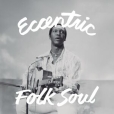
More understated and introspective than full-on Soul Music proper, more attuned to micro than macro power struggles, and more-heart-to-heart, with a traditionalist sense of song craft.
Another deeply satisfying, expertly quarried compilation in this ace series, stuffed with new discoveries.
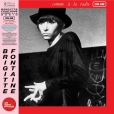
Live at ORTF 1969-71; plus alternate & instrumental studio versions.

Big Hands, Soreab, and Nothus, back with a second round of urgent, tricky, darkly dystopian worries.
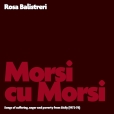
Rosa Balistreri
Morsi Cu Morsi (Songs of Suffering, Anger and Poverty from Sicily 1972-78)
Black Sweat
Searing, super-soulful testament and protest. This is terrific. Check it out.
‘Rosa Balisteri was one of the brightest stars on the Italian folk scene of the 1960s and 1970s, certainly far too little known given her talent and expressive power. Through her songs, she relives the suffering and despair wrought by the devastating challenges and trials of her harrowing life. The ancient, expressive power of her dialect stirs the emotions, exuding anger and pain, but also love and devotion. Through her, all of Sicily sings, all the marginalized people, peasants, miners, wagoners. She belongs with the historic voices of American blues, the great folk singers of the 1960s such as Odetta and Joan Baez, and South American heroines like Violeta Parra and Mercedes Sosa.’
With a twenty-page booklet including life-story and lyrics.
We ship worldwide. The postage rates for your order are displayed before payment, which is processed using Paypal. You can pay using your Paypal account or any of the following cards. No need to join Paypal.
