

Your basket is empty

Honest Jon's has enrolled with the European Union 'Import One-Stop Shop'. For EU customers, this means that you will not be charged any additional VAT or duty, nor any handling fees. No further costs.

The Observers
Zorro
Roots Vibration
Ferocious Niney genius.
Tommy McCook leads the swingeing horns, galloping east of the River Nile. Sounds like Dennis Emmanuel Brown, wailing six feet under. A jaw-dropping, no-prisoners Tubbys dub.
Red hot terror.
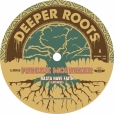
Freddie in his heyday like this was one of the greatest singers in reggae history.
He’s in soaring, inspirational form here, riding a hard-as-nails Niney rhythm. The organ-led dub is dazzling. Mark Ernestus from Rhythm & Sound opened a set with it recently, at the already-legendary Open Ground club in Wuppertal.
Both sides, classics.
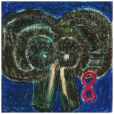
Jakob Bro, Brian Blade, Craig Taborn, Chris Cheek, Jesper Zeuthen, Anders Christensen, Larry Grenadier & Marcus Gilmore, playing compositions by Paul Motian and Jakob Bro.
The album was recorded in a single session at New York’s Power Station with engineer James Farber, following a week-long residency at the Village Vanguard.
‘Danish guitarist and composer Jakob Bro is celebrated for his pure reflective expression and penchant for celestial textures, effortlessly distilling and refining quiet sonics. At the Village Vanguard, he leads an impressive group – featuring two bassists and two drummers – for a nearly week-long residency.
‘The perfectly poised, ambient-leaning soundworld that characterizes Bro’s compositions was discomposed and distended by this octet, probing thrilling sounds and providing ample opportunity to create spontaneously. It was an exhilarating jazz night with some of the most esteemed players out there.’ (Jazztrail.net)

Cool and deadly DC, over a giddily deep re-cut of the same rhythm as Wayne Jarrett’s monumental Brimstone And Fire.
With the all-time, game-changing Hi-Tech Jazz. Crucial.

Rohan Lee for his own Rainbow label in 1990. Spirited sufferers, with tasty muted trumpet and lovely, expansive harmony singing. Recorded at Channel One and mixed at Aquarius.

Tight, heartfelt, urgent sufferers. Niney when the two sevens clashed.

Superb late-eighties digi, with all the trimmings.
Al Campbell in top form at the mic; classy horns and backing vocals; rollicking rhythm; masterful, frolicsome Niney production.

Spiritualised, easy-grooving and spacious late-seventies roots. Upsetters-style woodblocks, stumpy bass, ace backing harmonies. AT himself is strikingly sincere, determined, hymnal. Jackie Mittoo had a hand in it.
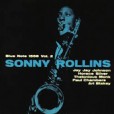
With Jay Jay Johnson, Art Blakey, Paul Chambers… and Horace Silver and Monk sharing piano duties, and playing together in a ten-minute version of Misterioso. Lovely mono.

This was the first in our series of Shangaan homages.
A metronomic, clicking beat to drive you crazy; a kind of Motorik lash — dubwise, midrange; moody strings.
Wry, driving, one-of-a-kind genius.
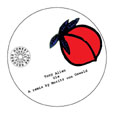
Tony Allen / Moritz von Oswald / Wareika Hill Sounds
Ole Remix / Reggae Land Dub
Honest Jon's Records
Deep Berlin steppers. Dubwise traces of our original Lagos recording — the percussion of Yinka Ogunye, the singing of fifties palmwine legend Rolling Dollar, Oscar Olimbi’s guitar lick — blend in with Moritz’ own warm Oberheim voicings, additional drumming, and cool-and-deadly rhythm track. It’s a tough, masterly dance record in fine Rhythm And Sound style (evoking vintage House, too) — which during its ten-and-a-half minutes seems to ponder time elapsed and journeys undertaken.
Reggae Land Dub is the thumping, pared-down dub of Wareika Hill Sounds’ rootical rework of Ise Nla. Magnificent trombone and percussion; expert, classical JA mixing. Brings to mind the versions of Black Man Stand Up Pan Foot.
At their chilliest, most magnificent and dread.
Brilliantly remastered; one-sided.
We ship worldwide. The postage rates for your order are displayed before payment, which is processed using Paypal. You can pay using your Paypal account or any of the following cards. No need to join Paypal.
